How does vibration condition monitoring prevent costly equipment failure?

The Silent Sentinel: How Vibration Condition Monitoring Prevents Costly Equipment Failure

In the world of industrial operations, a piece of equipment failure isn’t just an inconvenience—it’s a financial blow. An unexpected breakdown can lead to massive repair costs, extended downtime, missed production targets, and even safety hazards. This is where vibration condition monitoring (VCM) steps in as a vital, proactive defense against these costly events.
vibration condition monitoring

What is Vibration Condition Monitoring?

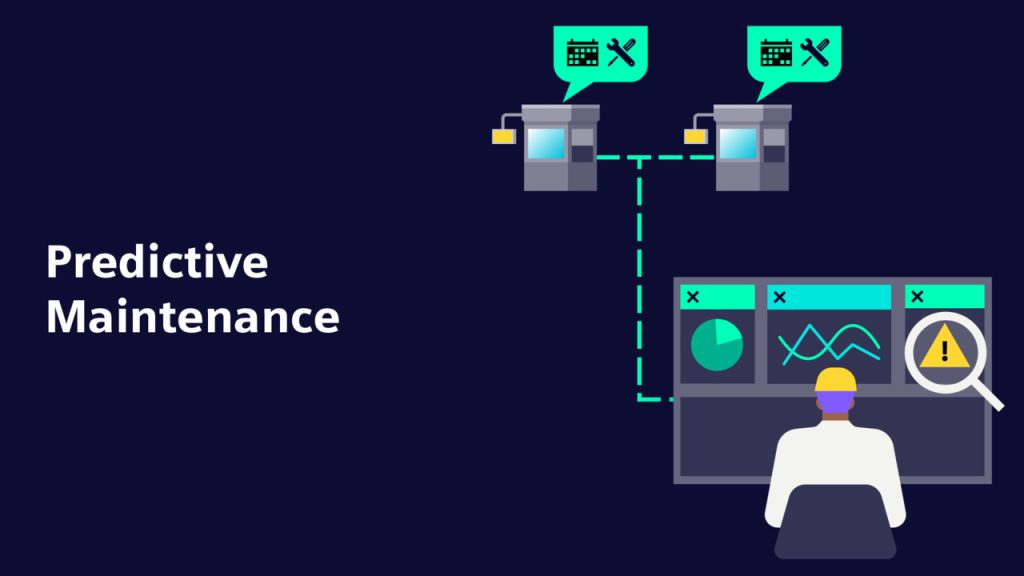
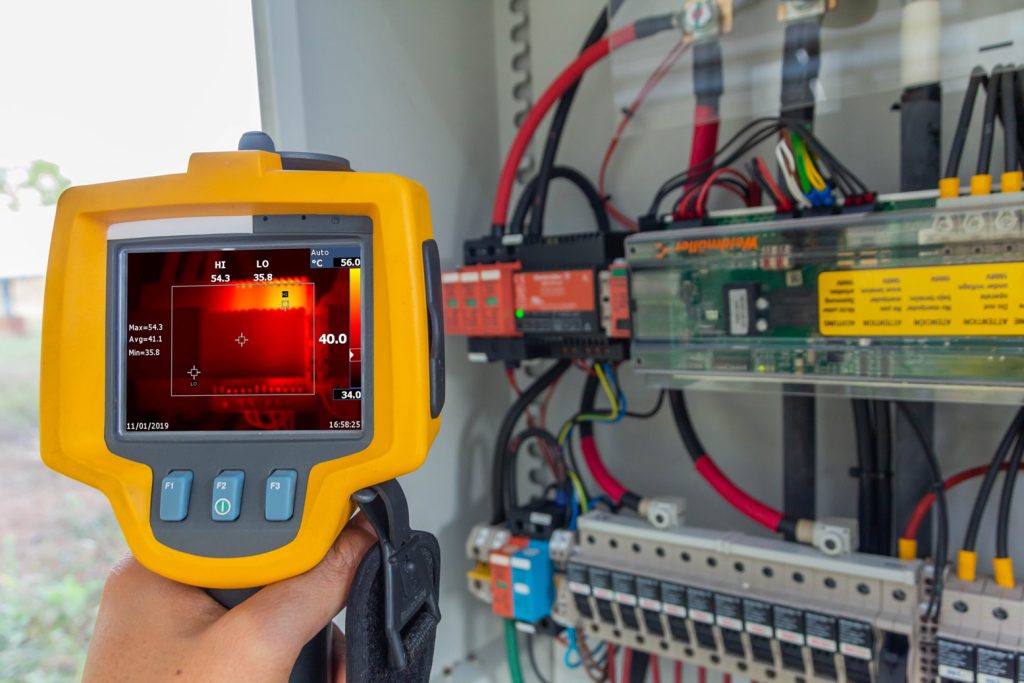
Vibration condition monitoring is a core component of a predictive maintenance (PdM) strategy. It involves the continuous or periodic measurement and analysis of the vibrations produced by rotating machinery (like pumps, motors, gearboxes, and fans). Every machine has a specific vibration signature when it is operating normally. When components begin to degrade (e.g., bearings wear out, gears crack, or shafts become misaligned), this signature changes, often subtly at first, then more dramatically.

VCM uses specialized sensors, called accelerometers, to detect these changes. By analyzing the frequency, amplitude, and phase of the vibration signals, maintenance professionals can identify the type and severity of the defect and, critically, estimate how much time remains before failure occurs.

The Anatomy of Failure Prevention

Vibration condition monitoring prevents costly equipment failure by fundamentally shifting the maintenance paradigm from reactive to predictive.

1. Early Defect Detection

Most catastrophic failures don’t happen instantly; they are the result of a failure progression that takes weeks or months. VCM technology is sensitive enough to detect damage in its incipient stage—the very beginning.

  • Example: A bearing race develops a small spall. In a reactive scenario, you wouldn’t know until the bearing locks up and destroys the motor shaft. With VCM, the system detects a specific, low-level increase in high-frequency energy (the classic sign of an early bearing defect) long before any audible noise or heat is produced.

2. Identifying the Root Cause

VCM analysis doesn’t just say, “The machine is vibrating too much.” It pinpoints the specific problem. This precision prevents unnecessary repairs and ensures that the correct issue is addressed.

3. Optimized Maintenance Scheduling

The most significant cost saving from vibration condition monitoring comes from avoiding unnecessary downtime and unnecessary maintenance.

  • Reactive Maintenance: Wait for failure $\rightarrow$ Maximize downtime and cost.
  • Preventive Maintenance: Fixed schedule (e.g., change the motor every 6 months) $\rightarrow$ Waste money and labor on parts that are still good.
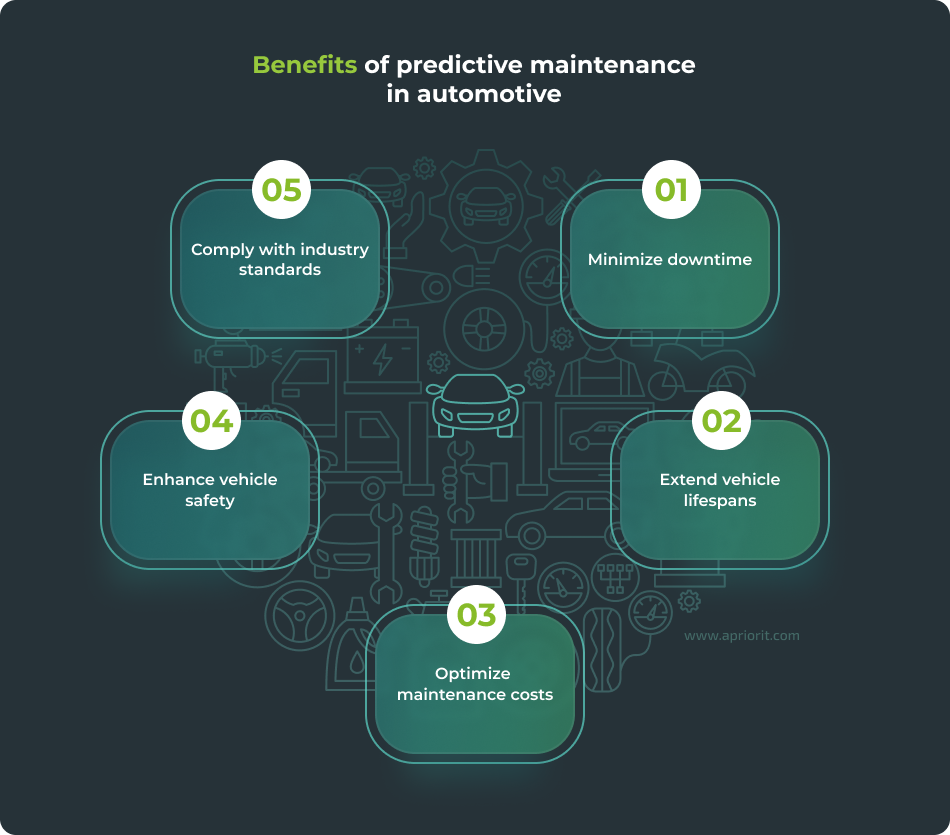
  • Predictive Maintenance (VCM): Run equipment until the analysis shows a defect has reached a critical threshold $\rightarrow$ Schedule the repair exactly when needed, minimizing both the cost of the repair and the production interruption.

 Direct Financial Benefits of VCM

The prevention of costly equipment failure translates directly into a robust return on investment (ROI).

  • Reduced Unplanned Downtime: Replacing a critical gearbox takes days. Scheduling a repair for that same gearbox takes hours. The financial difference in lost production alone can be hundreds of thousands of dollars.
  • Lower Parts Inventory Costs: Companies no longer need to keep a large stock of every expensive spare part “just in case.” Parts are ordered only when VCM analysis indicates they will be needed in the near future.
  • Extended Equipment Life: By catching and correcting issues like misalignment and imbalance early, vibration condition monitoring reduces stress on all machine components, often doubling or tripling the operational lifespan of the entire asset.
  • Improved Safety: Catastrophic failures often involve flying debris, high heat, or explosions. By predicting these events, VCM drastically improves the safety environment for plant personnel.

In summary, vibration condition monitoring transforms maintenance from an unpredictable expense into a manageable, scheduled business operation. It acts as the industry’s stethoscope, listening to the subtle distress signals of machinery, allowing personnel to intervene with precision, and ensuring that a small repair never spirals into a devastating financial crisis.
What are the biggest challenges organizations face when transitioning to a full scale Predictive Maintenance model and how can they overcome them?

Navigating the Digital Transformation: Overcoming the Challenges of Full-Scale Predictive Maintenance

Predictive Maintenance (PdM) promises a world of reduced unplanned downtime, lower costs, and maximized asset life—a true Industry 4.0 dream. However, the path from a successful pilot project to a full-scale, integrated PdM model is often littered with significant hurdles. For industrial organizations, transitioning to this data-driven strategy requires more than just buying sensors; it demands a fundamental shift in technology, personnel, and culture.

Here are the biggest challenges organizations face when scaling PdM and the strategic solutions needed to overcome them.

Predictive Maintenance

Challenge 1: The Data Dilemma—Quality, Quantity, and Integration

The foundation of PdM is data. If the data is flawed, the prediction is useless. Many organizations stumble over the sheer complexity of industrial data landscapes.

The Hurdles:

  • Data Silos and Fragmentation: Operational Technology (OT) data from sensors, maintenance records from the Computerized Maintenance Management System (CMMS), and business metrics from the Enterprise Resource Planning (ERP) system often reside in disconnected systems. This makes creating a unified, holistic view of asset health nearly impossible.
  • Legacy Equipment and Sensor Gaps: Older, critical machinery was not designed with data collection in mind. Retrofitting these assets can be complex and expensive, leading to incomplete sensor coverage.
  • Insufficient Failure Data: Machine Learning (ML) models need examples of failure to learn. If a company has a great preventive maintenance program, failures might be rare, meaning the model lacks the necessary historical data to accurately predict them.
  • Data Quality Issues: Sensor drift, communication errors, and manual data entry mistakes create “noise” that can lead to false positives (wasting time) or false negatives (risking a catastrophic failure).

Overcoming Strategies:

  • Implement a Unified IIoT Architecture: Invest in a middleware or Industrial IoT platform that can ingest and normalize data from disparate sources (OT and IT). This breaks down silos and ensures data is standardized for the analytics engine.
  • Prioritize Asset Criticality: Instead of “sensorizing” everything at once, focus the initial full-scale deployment on the most critical, high-risk assets (those with the highest cost of downtime). This allows for a phased approach and maximizes early ROI.
  • Synthetic Failure Data and Anomaly Detection: When historical failure data is scarce, employ unsupervised ML techniques (like anomaly detection) that establish a baseline for “normal” operation. Additionally, leverage Failure Modes and Effects Analysis (FMEA) to simulate potential failure trajectories and feed this synthetic data into models for training.
  • Robust Data Cleansing Protocols: Implement automated data validation and cleansing tools at the edge (where data is collected) and in the cloud/server to filter out noise, flag outliers, and ensure high data integrity.

Challenge 2: The Skills Gap and Organizational Resistance

Technology is only as good as the people who use it. The shift to PdM introduces new job roles and fundamentally changes the daily workflow of maintenance teams, often leading to internal friction.

The Hurdles:

  • Lack of Specialized Talent: PdM requires a unique combination of skills: data scientists to build and refine the ML models, data engineers to manage the data pipeline, and vibration analysts/technical experts who can interpret the model’s output in a mechanical context. This talent is scarce.
  • Resistance from Maintenance Technicians: Experienced technicians often view the “black box” of AI with skepticism, feeling that the new system devalues their years of expertise. They may resist adopting new procedures or following the model’s recommendations, leading to poor system utilization.
  • Siloed Team Structure: PdM requires unprecedented collaboration between Maintenance (OT), IT, and Operations. Traditional organizational structures often have deep, uncooperative divides between these groups.

Overcoming Strategies:

  • Strategic Upskilling and Training: Focus on “data literacy” across the board. Train existing maintenance staff not to become data scientists, but to be effective interpreters and users of the PdM system. Certifications in condition monitoring and targeted training on the new software are essential.
  • Hire for Bridging Roles: Invest in Reliability Engineers or Data Translators who can speak both the language of the machine floor and the data science team, turning complex model outputs into clear, actionable work orders.
  • Effective Change Management (The Crucial Step): Involve the end-users early. Run joint workshops where technicians, IT, and data teams collaborate on model validation. Emphasize that PdM is a tool to augment, not replace, their experience, allowing them to focus on complex, rewarding work instead of routine checks. Celebrate “saved” breakdowns as wins for the team.

Challenge 3: Financial Justification and Scaling Uncertainty

The high upfront costs of sensors, software, and infrastructure often make securing executive approval a significant hurdle, especially when the Return on Investment (ROI) is perceived as taking a long time to materialize.

The Hurdles:

  • High Initial Capital Expenditure: The collective cost of outfitting thousands of machines with new sensors, implementing cloud storage, and licensing advanced analytics software is substantial.
  • ROI Proving Period: The major cost savings from PdM—like reducing catastrophic failure costs—only become visible over years, making it difficult to justify the investment using standard quarterly financial metrics.
  • Pilot-to-Scale Failure: Many successful proof-of-concept (PoC) projects fail when attempting to scale. The PoC may have focused on one simple, homogenous machine type, but scaling to the plant’s full diversity introduces compatibility and integration nightmares that derail the budget.

Overcoming Strategies:

  • Focus on High-Value Pilots: Only run pilots on assets where the cost of a single hour of unplanned downtime is extremely high. This immediately creates a compelling financial case for expansion.
  • The Total Cost of Ownership (TCO) Model: Frame the ROI not just in maintenance savings, but in Total Cost of Ownership (TCO). Highlight the value of:
    • Reduced Over-Maintenance: Eliminating unnecessary, calendar-based tasks.
    • Inventory Optimization: Decreased need for expensive, emergency spare parts inventory.
    • Revenue Protection: Quantifying the revenue saved by avoiding downtime.
  • Phased, Modular Deployment: Avoid a single, massive roll-out. Implement PdM in manageable, funded phases (e.g., Phase 1: Critical Pumps and Compressors; Phase 2: Conveyor Systems; etc.). This allows for continuous learning, adjustment of the budget, and demonstration of incremental ROI along the way.

 Challenge 4: Cybersecurity and Data Governance

As PdM integrates the physical world (OT) with the digital world (IT), it creates a larger, more complex attack surface that must be secured.

The Hurdles:

  • OT/IT Security Convergence: OT networks were historically air-gapped and secured by obscurity. Connecting them to the internet or cloud for PdM analytics exposes them to new cyber threats that can affect physical operations.
  • Data Privacy and Ownership: Questions arise about who owns the asset performance data, especially when dealing with third-party vendors or cloud services. This requires clear contracts and governance.

Overcoming Strategies:

  • Implement Network Segmentation: Isolate the network segment where sensors and edge devices reside from the main IT corporate network. Use a DMZ (Demilitarized Zone) for data transfer to prevent a breach in one area from spreading to critical control systems.
  • End-to-End Encryption: Ensure all data is encrypted both in transit (from the sensor to the server) and at rest (in the database) to protect sensitive operational information.
  • Clear Governance and Compliance: Establish strict data access controls and protocols. Ensure compliance with relevant industry and national data protection regulations (e.g., GDPR, NIS 2) from the outset of the project.

Conclusion: A Marathon, Not a Sprint

Transitioning to a full-scale Predictive Maintenance model is a massive undertaking—it is a digital transformation initiative disguised as a maintenance project. Success hinges on a balanced attack that addresses the technical challenges of data integration and the human challenges of change management and skills development.

By adopting a phased approach, prioritizing early ROI, investing in workforce upskilling, and treating cybersecurity as a core component, organizations can successfully navigate these hurdles and fully realize the immense competitive advantage that a truly predictive operation provides.

How can implementing a successful Predictive Maintenance strategy lead to significant cost savings and improved operational efficiency for industrial businesses?

The Power of Prediction: How Predictive Maintenance Turbocharges Industrial Efficiency and Savings

In the competitive landscape of industrial business, operational efficiency isn’t just a buzzword—it’s the lifeblood of profitability. For too long, maintenance strategies have been reactive (waiting for a breakdown) or purely preventive (scheduled, often unnecessary, upkeep). Enter Predictive Maintenance (PdM): a data-driven, game-changing approach that is revolutionizing asset management, delivering massive cost savings, and fundamentally improving operational efficiency across sectors like manufacturing, energy, and transportation.

Predictive Maintenance

 The Flaws in Traditional Maintenance Models

To truly appreciate the value of PdM, we must first understand the limitations of older models:

  • Reactive Maintenance (Run-to-Failure): This approach is simple: fix it when it breaks. While zero upfront cost, the result is often catastrophic and expensive. An unexpected failure means unplanned downtime, emergency repairs costing 3-5 times more than planned work, rushed parts delivery, and potential safety risks. In the manufacturing sector alone, unplanned downtime costs industries an estimated $50 billion annually.
  • Preventive Maintenance (Time-Based): This involves scheduled maintenance, regardless of the asset’s actual condition. While it reduces the risk of some failures, it often leads to over-maintenance. You end up wasting money and labor on servicing equipment that is perfectly healthy, prematurely replacing components with significant remaining lifespan, and incurring unnecessary planned downtime.

Predictive Maintenance bridges this gap. It’s not about guessing or waiting; it’s about knowing the optimal time to intervene, turning a historically costly overhead into a strategic competitive advantage.

 Significant Cost Savings Through Smarter Intervention

The shift to a data-driven PdM strategy creates financial benefits that ripple across the entire organization. Industry studies consistently show that PdM can yield cost savings of 8% to 12% over preventive maintenance and up to 40% over purely reactive maintenance.

1. Eliminating the High Cost of Unplanned Downtime

This is arguably the most significant financial win. Unplanned downtime halts production, leading to lost revenue, missed deadlines, and contractual penalties.

  • The PdM Solution: By continuously monitoring key operational parameters like vibration, temperature, pressure, and acoustic emissions using IoT sensors and advanced analytics, PdM algorithms can detect subtle anomalies that indicate an impending failure. This allows maintenance teams to schedule repairs weeks in advance, precisely when needed, and during planned shutdowns or low-demand periods.
  • The Financial Impact: By moving maintenance from a chaotic emergency to a scheduled event, businesses minimize production interruption and significantly reduce the average cost of a breakdown, which can run into hundreds of thousands of dollars per hour for critical assets.

2. Optimizing Maintenance Resource Allocation

PdM ensures that maintenance efforts are precisely targeted, leading to efficient use of time and budget.

  • The PdM Solution: Instead of performing blanket inspections or unnecessary component replacements based on a calendar, PdM directs technicians exactly where the problem is and when it needs attention. Furthermore, the early warning allows for standard, lower-cost work orders instead of expensive emergency service calls.
  • The Financial Impact: This results in 25-30% reduction in overall maintenance costs, lower labor costs, and a dramatic decrease in wasted spare parts inventory, as procurement can be planned precisely for the required intervention time.

3. Extending Asset Lifespan and Improving ROI

A machine that is consistently operating in its optimal performance window lasts longer.

  • The PdM Solution: By catching minor issues (like slight misalignment or bearing wear) before they escalate into major catastrophic failures, PdM prevents cumulative damage to critical and expensive components.
  • The Financial Impact: This extends the operational life of equipment by 20-30%, delaying the need for costly capital expenditure on replacement machinery. It maximizes the return on the initial investment in industrial assets.

Enhanced Operational Efficiency and Performance

Cost savings are only half the story; PdM also fundamentally improves how the business operates.

1. Maximizing Overall Equipment Effectiveness (OEE)

OEE is the gold standard for measuring manufacturing productivity, factoring in availability, performance, and quality. PdM directly impacts all three.

  • Availability: Minimizing downtime (both unplanned and unnecessary planned maintenance) directly increases the time the machine is running.
  • Performance: A machine operating in optimal condition, as ensured by timely and condition-based maintenance, runs faster and more reliably.
  • Quality: Preventing failures means fewer production runs are affected by equipment-induced defects, leading to higher first-pass yield.

2. Better Strategic Planning and Inventory Management

Predictable maintenance leads to predictable operations, which allows for better business-wide planning.

  • Inventory: Knowing exactly when a part will be needed allows companies to move from carrying large, expensive buffer stocks to a just-in-time inventory model for spare parts, reducing warehousing costs and mitigating the risk of obsolescence.
  • Workforce: Maintenance managers can level-load their teams’ schedules, avoid over-reliance on overtime, and strategically allocate specialized technical skills where they are most critically needed.

3. Improved Safety and Environmental Compliance

Healthy machines are safer machines. The early detection of faults like overheating, excessive vibration, or leaks reduces the risk of catastrophic failures that could injure personnel or cause environmental hazards. Additionally, optimally running equipment often consumes less energy, contributing to sustainability goals.

The Technology Behind the Transformation

Implementing a successful PdM strategy relies on the convergence of three key technologies:

  1. Industrial IoT (IIoT) Sensors: Affordable, rugged sensors (for vibration, thermal imaging, acoustics, etc.) placed on critical equipment collect real-time data on the asset’s health.
  2. Big Data and Cloud Computing: This infrastructure is needed to collect and store the vast torrent of data generated by thousands of sensors.
  3. Artificial Intelligence (AI) and Machine Learning (ML): These advanced analytical tools are the true brains of PdM. They process the sensor data, identify patterns and anomalies that human operators might miss, and—crucially—generate the predictive models that forecast the remaining useful life (RUL) of an asset or component.

Conclusion: The Future of Industrial Operations is Predictive

Predictive Maintenance is not merely an upgrade from old maintenance practices; it is a strategic transformation that leverages the power of data to create a lean, highly reliable, and immensely profitable industrial operation. By turning unexpected crises into scheduled events, industrial businesses are not just saving money; they are unlocking new levels of productivity, asset utilization, and competitive resilience. The return on investment for a well-executed PdM program is rapid and substantial, making it an essential component of the modern, smart industrial enterprise.

What key technologies are driving the success of modern Predictive Maintenance programs?

The Crystal Ball for Your Machinery: Key Technologies Driving Modern Predictive Maintenance

Predictive Maintenance (PdM) has evolved far beyond simple scheduled checks. In the age of Industry 4.0, a confluence of powerful technologies has transformed PdM from a theoretical ideal into a mandatory, money-saving, and safety-enhancing reality.

It’s no longer about waiting for a failure—it’s about precisely predicting the Remaining Useful Life (RUL) of an asset. Here are the four key technology pillars that are driving the success of modern PdM programs:

Predictive Maintenance

1. The Internet of Things (IoT) & Smart Sensors

The foundation of any successful PdM program is data, and the Industrial Internet of Things (IIoT) is the tireless engine that collects it.

  • Continuous, Real-Time Monitoring: Smart, cost-effective sensors (for vibration, temperature, acoustic emissions, pressure, etc.) are deployed on critical assets to capture performance data 24/7. This moves maintenance from a periodic snapshot to a continuous video stream.
  • The Data Stream: These sensors feed massive, high-frequency data streams into the system. This wealth of information reveals subtle anomalies—like a minute change in a motor’s vibration frequency or a gradual temperature rise—that a human inspector would never catch.
  • Connectivity: Wireless networking, often enhanced by 5G for ultra-low latency, ensures that this crucial data is transmitted immediately from the plant floor to the analysis engine.

2. Artificial Intelligence (AI) and Machine Learning (ML)

The raw data collected by IoT sensors is useless without the intelligence to interpret it. This is where AI and ML step in as the “brain” of the PdM system.

  • Anomaly Detection: ML algorithms are trained on historical data, allowing them to learn the “normal” operating parameters of a machine. When new, real-time data deviates even slightly from this established pattern, the AI flags it as an anomaly, often long before a physical symptom appears.
  • Failure Prediction & RUL: More advanced ML techniques, like deep learning neural networks, can analyze complex, multi-variable sensor data to not only predict that a failure will occur, but when. This provides maintenance teams with the precise window of time needed to schedule a fix.
  • Root Cause Analysis: AI can correlate failure events with specific operational and environmental conditions (e.g., higher stress loads, extreme temperatures) to help diagnose the underlying issue automatically.

3. Edge Computing and Cloud Analytics

Processing massive amounts of real-time sensor data presents a challenge. Should all the data be sent to the cloud, or should it be processed locally? The answer is often both, thanks to Edge Computing.

  • Edge Computing (The Quick Responder): Small, powerful computers placed near the equipment process the immediate, high-frequency sensor data right on the factory floor. This enables real-time anomaly detection and critical alerts with almost zero latency—essential for safety and high-speed processes.
  • Cloud Analytics (The Deep Learner): Less time-critical data is sent to the central cloud platform for large-scale storage and deep analysis. The cloud is where the long-term historical data is housed, and where AI models are trained and improved to become more accurate over time.

4. Digital Twins and Immersive Tech (AR/VR)

These technologies take the insights from the core PdM system and turn them into actionable, visual plans.

  • Digital Twins: This is a virtual replica of a physical asset (a pump, a turbine, an entire factory floor). The digital twin is constantly updated with real-time data from the physical asset. It allows engineers to:
    • Simulate: Run predictive scenarios, like increasing production speed, to see the stress impact without risking the real machinery.
    • Visualize: View the asset’s health and RUL in a rich 3D environment.
  • Augmented Reality (AR): When an anomaly is flagged, AR tools (like smart glasses) empower the field technician. They can overlay sensor data, step-by-step repair instructions, and historical fault data directly onto the physical machine they are looking at, minimizing errors and speeding up complex repairs.

The Takeaway

The modern Predictive Maintenance program is a powerful loop: IoT collects the data, Edge Computing provides immediate action, AI/ML predicts the future, and Digital Twins/AR make the maintenance intervention precise and efficient. By embracing these four pillars, companies can transition from costly reactive maintenance to an optimized, data-driven operational strategy.

Ready to move beyond calendar-based maintenance?

What is the biggest challenge your organization faces in adopting AI-driven Predictive Maintenance?

What is Predictive Maintenance PdM and how does it fundamentally differ from traditional scheduled or preventive maintenance

Predictive Maintenance (PdM): Moving Beyond the Schedule to Predict the Future of Your Assets


The world of industrial operations is defined by efficiency, uptime, and the relentless drive to eliminate unexpected failures. At the core of this challenge lies a fundamental question: When is the perfect time to perform maintenance?

For decades, organizations relied on historical data and fixed schedules. Today, however, a revolution is underway, powered by sensors, AI, and Big Data: Predictive Maintenance (PdM).

This post will define Predictive Maintenance, explore its core technologies, and—most importantly—explain how it fundamentally differs from its common predecessor, traditional Preventive Maintenance (PM).

Predictive Maintenance

What Exactly is Predictive Maintenance (PdM)?

Predictive Maintenance (PdM) is an advanced, proactive maintenance strategy that utilizes real-time condition monitoring and sophisticated data analytics to predict when an equipment failure is likely to occur.

Instead of performing maintenance on a fixed schedule, PdM allows organizations to schedule maintenance activities only when they are actually needed, just before a component is predicted to fail.

The core philosophy of PdM is simple: Maximize the useful life of a component while eliminating the risk of costly, unplanned downtime.

The Engine of PdM: Technology

Predictive Maintenance is only possible thanks to the convergence of several modern technologies:

  1. Industrial IoT (IIoT) Sensors: These devices (e.g., vibration sensors, thermal cameras, pressure gauges, acoustic monitors) are installed directly on critical assets to continuously collect high-frequency, real-time data on the asset’s condition.
  2. Edge and Cloud Computing: Data is streamed from the sensors and processed immediately (at the “edge”) or stored and analyzed in the cloud.
  3. Machine Learning (ML) and Artificial Intelligence (AI): This is the “brain” of PdM. ML algorithms analyze the real-time data, look for patterns that deviate from normal operating conditions (anomalies), and build models that can forecast the “time to failure” for a component.
  4. Computerized Maintenance Management Systems (CMMS) or Enterprise Asset Management (EAM): These software platforms integrate the failure prediction data and automatically generate a work order for the maintenance team, ensuring a timely intervention.
  • Preventive Maintenance Approach (Time-Based): The manufacturer recommends replacing the bearing every 6,000 operating hours. The maintenance team schedules a mandatory shutdown and replacement at the 5,800-hour mark, regardless of the bearing’s actual health. If the bearing was only 50% worn, the remaining life is wasted.
  • Predictive Maintenance Approach (Condition-Based): A vibration sensor is mounted on the bearing. The PdM system continuously analyzes the vibration signature. At 6,000 hours, the vibration is normal, so no work is scheduled. At 9,500 hours, the algorithm detects a sharp, consistent spike in the vibration frequency that indicates critical wear and predicts failure in the next 10 days. The maintenance team receives an alert and schedules the replacement for the next planned downtime, maximizing the component’s life while entirely avoiding an unscheduled breakdown.

The Business Value of Predictive Maintenance

The shift from a calendar-driven approach to a data-driven approach delivers measurable benefits that impact the entire organization:

  1. Reduced Unplanned Downtime: This is the most significant benefit. By knowing exactly when a failure will occur, operations can schedule the fix during low-impact periods or planned outages, virtually eliminating catastrophic, unscheduled shutdowns.
  2. Optimized Resource Allocation: PdM eliminates unnecessary inspections and parts replacements, reducing labor costs and material waste. Maintenance is focused only where and when it is needed.
  3. Extended Asset Lifespan: Components are replaced only at the end of their useful life, not prematurely, which maximizes the value extracted from high-cost parts.
  4. Improved Safety: Equipment failures can pose serious safety risks. By proactively identifying and addressing mechanical issues before they become critical, PdM contributes to a safer working environment.

Conclusion: A Strategy for the Modern Industrial Age

Predictive Maintenance (PdM) is no longer a futuristic concept; it is a current industrial reality. While traditional Preventive Maintenance remains a vital, practical strategy for simpler or less-critical assets (like filter changes or basic lubrication), the power of PdM lies in its precision.

By harnessing the power of the Industrial Internet of Things (IIoT) and advanced analytics, organizations can move beyond simply preventing failure to actually predicting it—creating a highly efficient, cost-effective, and resilient operational environment for the modern era.