What Role Does AI Play in a Future-Ready Warehouse Management System?

What Role Does AI Play in a Future-Ready Warehouse Management System?

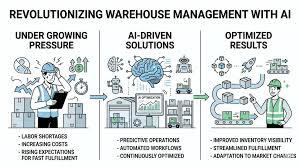
The traditional warehouse is evolving from a static storage space into a dynamic, thinking ecosystem. As global supply chains face increasing complexity—driven by same-day delivery expectations and labor shortages—Artificial Intelligence (AI) has shifted from a “nice-to-have” to the foundational brain of a Future-Ready Warehouse Management System (WMS).

Here is an in-depth look at how AI is transforming warehousing from the ground up.

1. Predictive Demand Sensing & Inventory Intelligence

Traditional systems react to data; AI-powered systems anticipate it. Instead of just tracking what is on the shelf, a future-ready WMS uses Machine Learning (ML) to forecast what will be needed.

  • Dynamic Reorder Points: AI analyzes historical sales, seasonal trends, and even external factors like weather or local events to adjust safety stock levels in real-time.
  • Waste Reduction: For industries like FMCG or pharmaceuticals, AI tracks expiration dates and batch data to optimize “First-Expired, First-Out” (FEFO) strategies, significantly reducing spoilage.

2. Intelligent Slotting and Space Optimization

One of the biggest hidden costs in a warehouse is “travel time”—the distance workers or robots travel to pick items. AI turns the warehouse into a giant game of Tetris that rearranges itself for maximum efficiency.

  • Heat Mapping: AI identifies “hot” (fast-moving) items and suggests moving them closer to packing stations.
  • Velocity-Based Slotting: As trends change (e.g., a sudden viral product), the AI-driven WMS automatically updates the slotting plan to prevent bottlenecks in high-traffic aisles.

3. Orchestrating the “Human-Machine” Symphony

In a modern facility, robots (AMRs) and humans work side-by-side. AI acts as the air traffic controller for this hybrid workforce.

  • Pick-Path Optimization: AI calculates the most efficient route for every pick, reducing walking distances by up to 30–50%.
  • Task Interleaving: The system intelligently assigns “combined” tasks—for example, directing a worker to drop off a return while on their way to pick a new order—minimizing “deadhead” or empty-handed travel.
  • Computer Vision: AI-enabled cameras can instantly verify that the right item was picked or detect if a package is damaged before it leaves the dock.

4. Predictive Maintenance: Eliminating Downtime

In a future-ready warehouse, equipment failure is caught before it happens. By integrating with IoT (Internet of Things) sensors, the WMS monitors the “health” of conveyor belts, forklifts, and robotic arms.

  • Anomaly Detection: AI detects subtle vibrations or temperature spikes in machinery that suggest an imminent breakdown.
  • Proactive Scheduling: Maintenance is scheduled during low-activity windows, ensuring the warehouse never grinds to a halt during a peak surge like Black Friday.

5. Agile Labor Management

Labor is often the highest variable cost in warehousing. AI helps managers move from reactive scheduling to proactive resource allocation.

  • Workload Balancing: By analyzing the incoming order pool, AI predicts exactly how many people are needed in receiving vs. picking vs. packing for the next shift.
  • Burnout Prevention: Smart systems can track worker fatigue or repetitive motion patterns to suggest task rotations, improving safety and long-term retention.

Summary: Traditional WMS vs. AI-Powered WMS

Feature Traditional WMS AI-Powered WMS (Future-Ready)
Decision Making Rule-based & Manual Data-driven & Autonomous
Logic Static (“If this, then that”) Adaptive (Learning from patterns)
Problem Solving Reactive (Fixes errors) Predictive (Prevents errors)
Scaling Difficult during peak surges Seamless through automated orchestration

The Bottom Line

The role of AI in a future-ready WMS is to move the operation from visibility (knowing what happened) to agility (knowing what to do next). For businesses looking to survive the “Amazon effect,” AI isn’t just about robots—it’s about the intelligence that makes every square foot and every second count.

Are you currently using a rule-based WMS, or are you exploring an upgrade to a more predictive, AI-driven platform?


Mask Detection with Machine Interlocking in Enzymatic Environments

Automation Meets Safety: Mask Detection with Machine Interlocking in Enzymatic Environments

In an enzymatic powder environment—such as detergent manufacturing, food processing, or pharmaceutical labs—mask compliance isn’t just about “safety protocol.” It’s a critical barrier against respiratory sensitization and occupational asthma caused by inhaling bioactive dust.

Here is a comprehensive blog post structure and content designed for a technical yet industry-focused audience.

In the world of industrial manufacturing, particularly where enzymatic powders are handled, the air we breathe is a potential hazard. While enzymes are biological catalysts that make our soaps cleaner and our bread fluffier, inhaling them in powder form can lead to severe allergic reactions and long-term respiratory issues.

The solution? An intelligent, AI-driven Mask Detection System that doesn’t just “alert” but actually controls the machinery.

The Challenge: Why Enzymes Require Zero-Tolerance

Enzymatic dust is highly sensitizing. Standard safety signage often fails because of “compliance fatigue”—workers rushing to clear a jam or check a hopper may forget their PPE for “just a second.” In a high-risk enzymatic zone, that second is enough for exposure.

The Solution: AI Computer Vision + PLC Integration

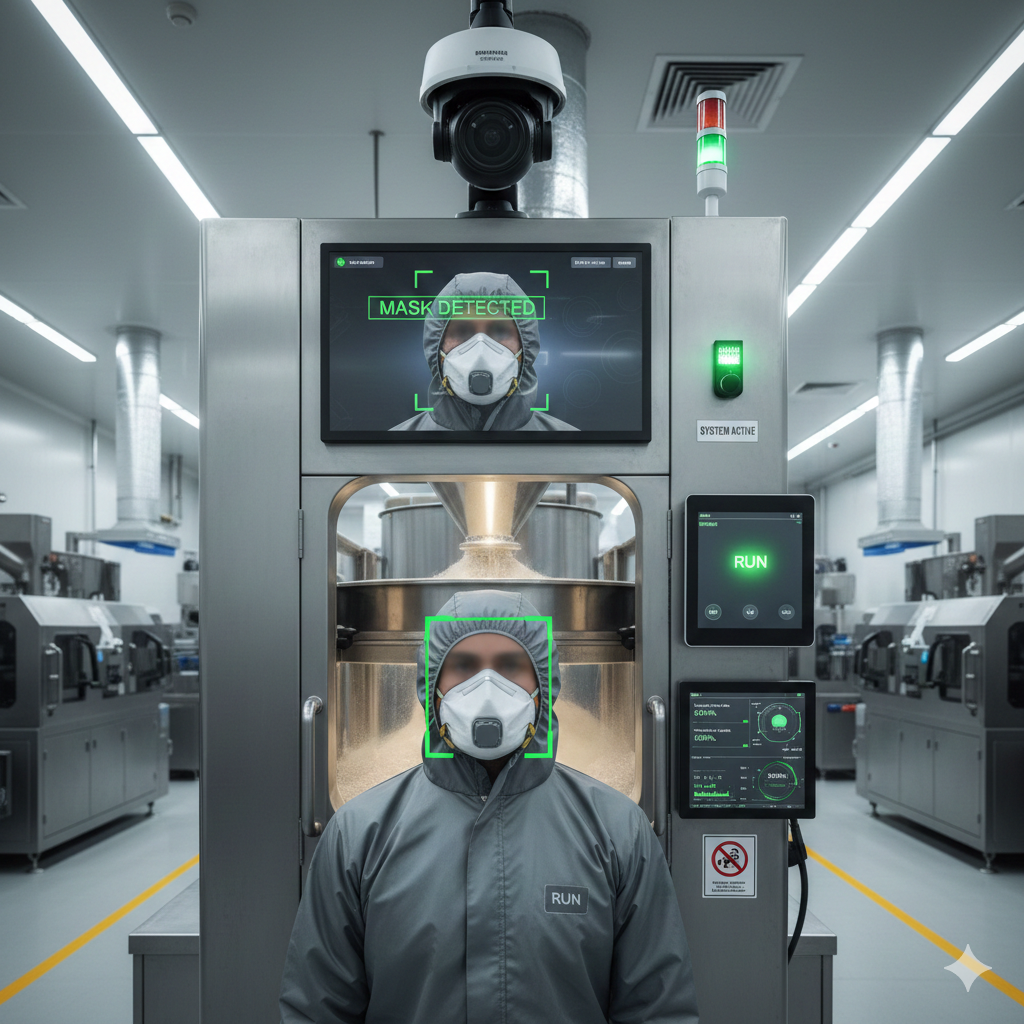
A “Mask Detection with Machine Control” system uses high-speed cameras and Edge AI to ensure that no human can interact with the production line unless they are properly protected.

How the System Works

  1. Vision Acquisition: Industrial-grade cameras monitor “Safe Zones” or entry points near powder-dispensing units.
  2. Neural Network Analysis: The AI (usually a YOLO—You Only Look Once—v8 or v10 model) identifies the presence of a person and specifically looks for the seal of an N95 or P3 respirator.
  3. Machine Interlocking: The AI system is interfaced with a Programmable Logic Controller (PLC) via a dry contact relay or industrial protocol (like Modbus or MQTT).
  4. The “Kill Switch” Logic: * Mask Detected: Machine continues normal operation.
    • No Mask/Improper Fit: The PLC triggers an immediate E-stop or prevents the machine from starting, locking the enzymatic dispenser until the worker complies.


Technical Architecture

To ensure the system is robust enough for a dusty industrial environment, the hardware and software must be specialized:

Component Specification
Camera IP67-rated (Dustproof) with built-in lens cleaning or air-purge
Edge Gateway NVIDIA Jetson Orin or similar for real-time, low-latency processing
AI Model Custom-trained CNN (Convolutional Neural Network) focused on PPE textures
Interface Industrial Relay or Digital I/O to the Machine’s Safety Circuit


Key Benefits for Enzymatic Facilities

  • Reduced Liability: Automated logging of PPE compliance provides a digital audit trail for health and safety regulators (OSHA/HSE).
  • Instant Feedback: Visual and audible alarms notify the worker immediately, correcting the behavior before exposure occurs.
  • Operational Integrity: Prevents cross-contamination. If a worker isn’t masked, they shouldn’t be near the open enzymatic batches, protecting both the worker and the product purity.

Beyond Detection: Addressing the “False Sense of Security”

It is important to note that detection is only half the battle. In enzymatic environments, the fit of the mask is as important as the mask itself. Advanced systems are now being trained to detect “chin-masking” (wearing the mask below the nose), ensuring the interlock only releases when the respiratory tract is fully covered.

Safety Note: Machine control systems should always include a manual override for emergency maintenance, protected by “Lock-Out, Tag-Out” (LOTO) procedures.

Conclusion

Integrating AI mask detection with machine control transforms PPE from a “suggestion” into a fundamental requirement for machine operation. In the high-stakes environment of enzymatic powder handling, this technology is the ultimate fail-safe for employee longevity and plant safety.

What is Predictive Maintenance PdM and how does it fundamentally differ from traditional scheduled or preventive maintenance

Predictive Maintenance (PdM): Moving Beyond the Schedule to Predict the Future of Your Assets


The world of industrial operations is defined by efficiency, uptime, and the relentless drive to eliminate unexpected failures. At the core of this challenge lies a fundamental question: When is the perfect time to perform maintenance?

For decades, organizations relied on historical data and fixed schedules. Today, however, a revolution is underway, powered by sensors, AI, and Big Data: Predictive Maintenance (PdM).

This post will define Predictive Maintenance, explore its core technologies, and—most importantly—explain how it fundamentally differs from its common predecessor, traditional Preventive Maintenance (PM).

Predictive Maintenance

What Exactly is Predictive Maintenance (PdM)?

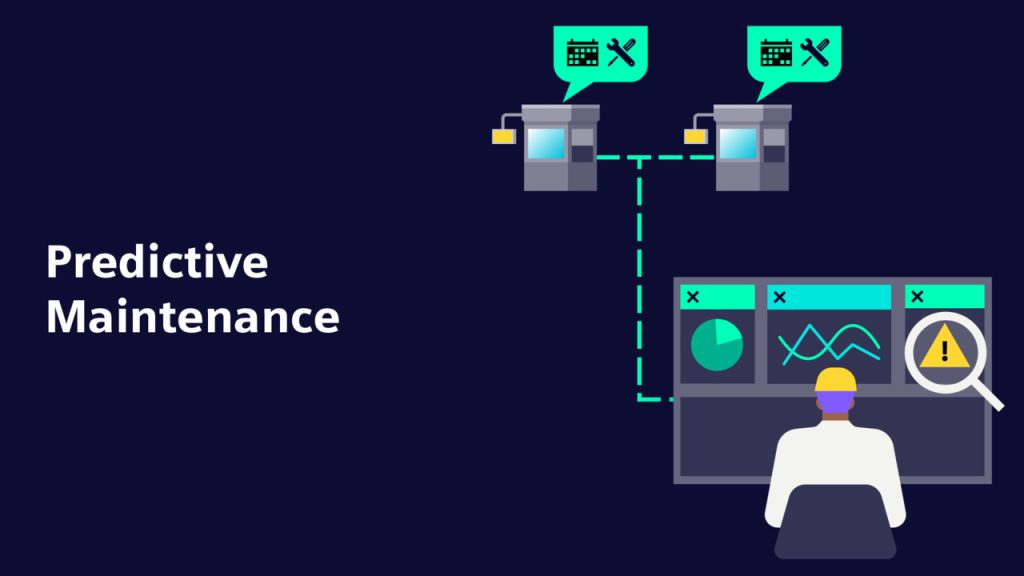
Predictive Maintenance (PdM) is an advanced, proactive maintenance strategy that utilizes real-time condition monitoring and sophisticated data analytics to predict when an equipment failure is likely to occur.

Instead of performing maintenance on a fixed schedule, PdM allows organizations to schedule maintenance activities only when they are actually needed, just before a component is predicted to fail.

The core philosophy of PdM is simple: Maximize the useful life of a component while eliminating the risk of costly, unplanned downtime.

The Engine of PdM: Technology

Predictive Maintenance is only possible thanks to the convergence of several modern technologies:

  1. Industrial IoT (IIoT) Sensors: These devices (e.g., vibration sensors, thermal cameras, pressure gauges, acoustic monitors) are installed directly on critical assets to continuously collect high-frequency, real-time data on the asset’s condition.
  2. Edge and Cloud Computing: Data is streamed from the sensors and processed immediately (at the “edge”) or stored and analyzed in the cloud.
  3. Machine Learning (ML) and Artificial Intelligence (AI): This is the “brain” of PdM. ML algorithms analyze the real-time data, look for patterns that deviate from normal operating conditions (anomalies), and build models that can forecast the “time to failure” for a component.
  4. Computerized Maintenance Management Systems (CMMS) or Enterprise Asset Management (EAM): These software platforms integrate the failure prediction data and automatically generate a work order for the maintenance team, ensuring a timely intervention.
  • Preventive Maintenance Approach (Time-Based): The manufacturer recommends replacing the bearing every 6,000 operating hours. The maintenance team schedules a mandatory shutdown and replacement at the 5,800-hour mark, regardless of the bearing’s actual health. If the bearing was only 50% worn, the remaining life is wasted.
  • Predictive Maintenance Approach (Condition-Based): A vibration sensor is mounted on the bearing. The PdM system continuously analyzes the vibration signature. At 6,000 hours, the vibration is normal, so no work is scheduled. At 9,500 hours, the algorithm detects a sharp, consistent spike in the vibration frequency that indicates critical wear and predicts failure in the next 10 days. The maintenance team receives an alert and schedules the replacement for the next planned downtime, maximizing the component’s life while entirely avoiding an unscheduled breakdown.

The Business Value of Predictive Maintenance

The shift from a calendar-driven approach to a data-driven approach delivers measurable benefits that impact the entire organization:

  1. Reduced Unplanned Downtime: This is the most significant benefit. By knowing exactly when a failure will occur, operations can schedule the fix during low-impact periods or planned outages, virtually eliminating catastrophic, unscheduled shutdowns.
  2. Optimized Resource Allocation: PdM eliminates unnecessary inspections and parts replacements, reducing labor costs and material waste. Maintenance is focused only where and when it is needed.
  3. Extended Asset Lifespan: Components are replaced only at the end of their useful life, not prematurely, which maximizes the value extracted from high-cost parts.
  4. Improved Safety: Equipment failures can pose serious safety risks. By proactively identifying and addressing mechanical issues before they become critical, PdM contributes to a safer working environment.

Conclusion: A Strategy for the Modern Industrial Age

Predictive Maintenance (PdM) is no longer a futuristic concept; it is a current industrial reality. While traditional Preventive Maintenance remains a vital, practical strategy for simpler or less-critical assets (like filter changes or basic lubrication), the power of PdM lies in its precision.

By harnessing the power of the Industrial Internet of Things (IIoT) and advanced analytics, organizations can move beyond simply preventing failure to actually predicting it—creating a highly efficient, cost-effective, and resilient operational environment for the modern era.


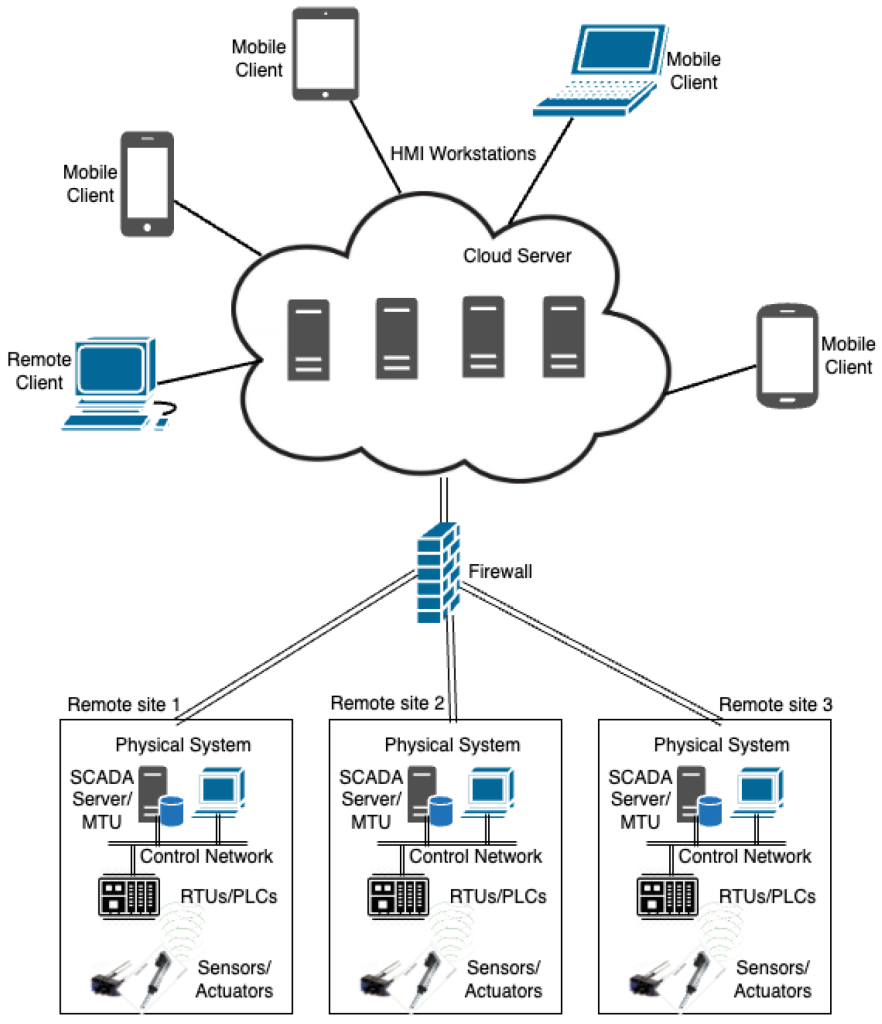
Soap and Detergent Process

Soap and Detergent Process

Process Control

The process of controlling a series of events to transform a material into a desired end product is called Process Control.

Initially Industrial process control was performed manually by operators. Their sense of sight, feel, and sound were their sensors, which was making the process totally operator-dependent.

Industrial process control is now refined with computerized controls, automation, and accurate semiconductor sensors.

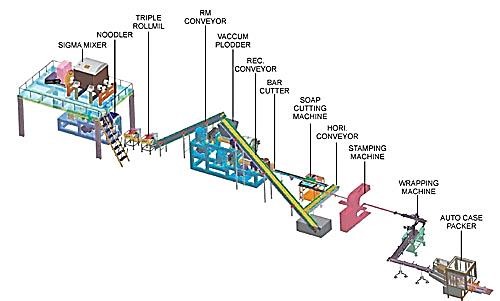
Soap Production Flow Chart


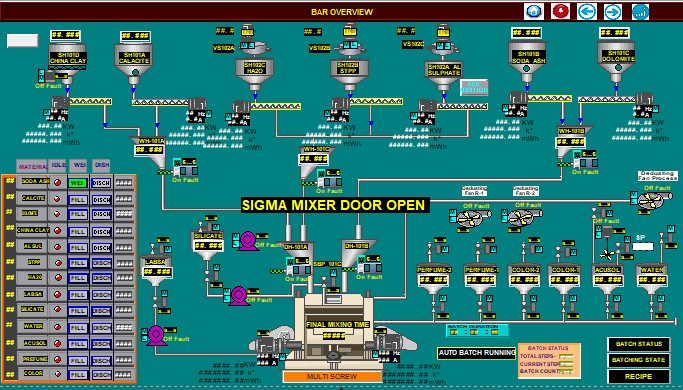
Soap Batch Process Dashboard

RM Section:

Ingredients are kept in DAY tanks and dispensed accordingly to Batch sequence as per selected Recipe by operator. User can Monitor and Control Both with the installed Load Cell as shown.

Dosing Process:

After Start Auto Batch / Auto Weighing time material discharge from DAY tank to fill weigh hopper and also controlled according to Batch step sequence as per selected recipe which is customized by user with specific Login ID.

Mixing Process:

All ingredients are mixed in predefined proportion and for particular time duration as per selected Recipe. Whole process controlled and monitored via SCADA or HMI.

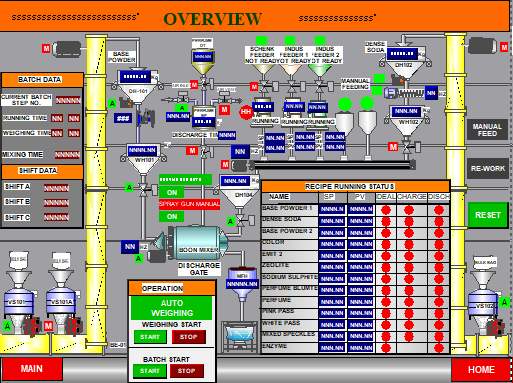
Detergent Boon Mixer Process Dashboard

BOON  Mixer

In BOON Mixer, Auto Batch Process are totally depends on the customized selected and controlled recipe which are filled from customer R&D department depending on product. Because user can use these type of Mixer for more than 3 products.

All Ingredients are dispensed and controlled by the selected recipe. User developed the mixing steps from SCADA as per Recipe and also depends on environmental condition.

Final product after completion of BOON mixing are transfer to Packaging line through Multi discharge conveyors which are also work on Priority based concept as per no. of Packaging Machines.

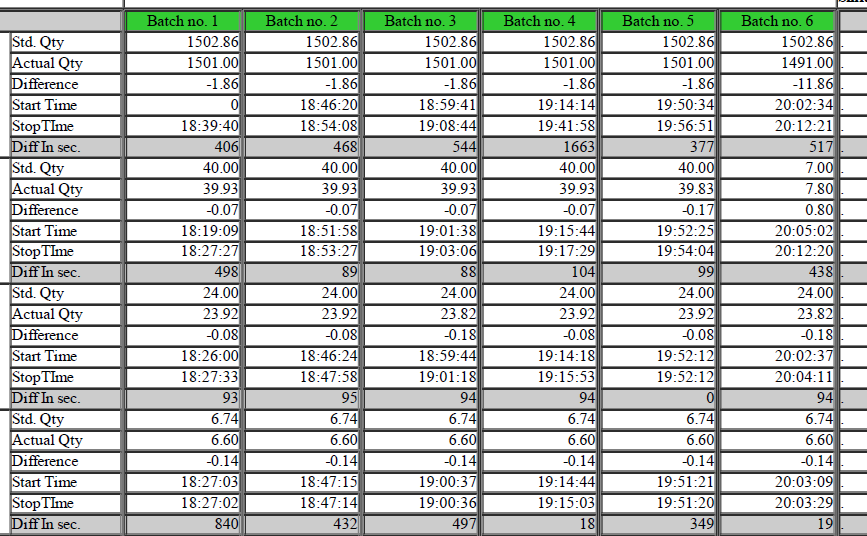
Batch Report:

This is the sample Report format which are normally used in Batch Process Plant and also customized as per End user requirement.