
What Are the Key Features to Look for in a Modern Warehouse Management System?
Introduction
In today’s competitive business landscape, warehouses are no longer just storage facilities—they are strategic hubs that directly impact customer satisfaction, operational efficiency, and profitability. As businesses grow and customer expectations continue to rise, managing inventory manually or relying on outdated software becomes increasingly difficult. Delayed shipments, inventory inaccuracies, inefficient labor utilization, and rising operational costs can significantly affect business performance.
A Warehouse Management System (WMS) is a powerful software solution designed to streamline warehouse operations, improve inventory visibility, optimize workflows, and enhance overall supply chain efficiency. However, not all WMS platforms are created equal. Choosing the right solution requires understanding the essential features that support modern warehouse operations and future business growth.
This comprehensive guide explores the key features every modern Warehouse Management System should offer and explains how these capabilities help businesses improve productivity, reduce costs, and deliver exceptional customer service.
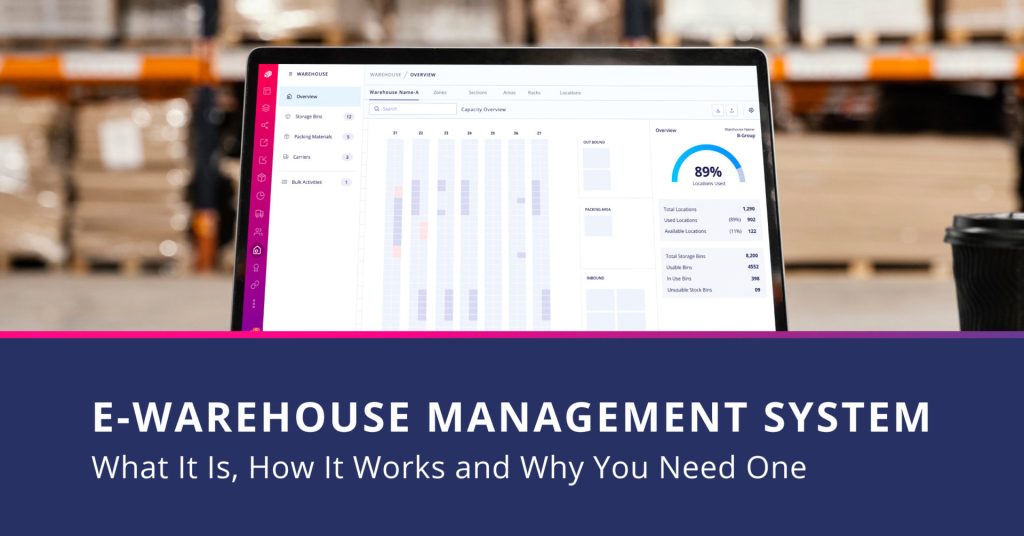
What Is a Warehouse Management System?
A Warehouse Management System (WMS) is software that helps businesses control and optimize warehouse operations from the moment inventory enters the warehouse until it reaches the customer.
It provides complete visibility into inventory, automates warehouse processes, tracks stock movements, manages labor resources, and integrates with other business systems like ERP, CRM, transportation, and e-commerce platforms.
Whether managing a single warehouse or multiple distribution centers, a modern WMS ensures that every warehouse activity is faster, more accurate, and highly efficient.
Why Modern Businesses Need an Advanced Warehouse Management System
Warehouse operations have become increasingly complex due to:
- Growing product varieties
- Higher customer expectations
- Faster delivery requirements
- Multi-channel sales
- E-commerce expansion
- Global supply chain challenges
Without a modern WMS, businesses often face:
- Inventory discrepancies
- Order fulfillment errors
- Excess inventory
- Stock shortages
- Longer picking times
- Poor warehouse visibility
- Increased labor costs
A feature-rich Warehouse Management System addresses these challenges through automation, real-time monitoring, and intelligent decision-making.
Key Features to Look for in a Modern Warehouse Management System
1. Real-Time Inventory Visibility
One of the most important features of any Warehouse Management System is real-time inventory tracking.
The system should instantly update inventory levels whenever products are:
- Received
- Stored
- Picked
- Packed
- Shipped
- Returned
Real-time inventory visibility allows businesses to:
- Eliminate stock discrepancies
- Reduce inventory carrying costs
- Prevent stockouts
- Avoid overstock situations
- Improve customer satisfaction
Accurate inventory information also enables better purchasing decisions and production planning.
2. Barcode and RFID Integration
Modern warehouses rely on automation technologies such as:
- Barcode scanning
- QR codes
- RFID tags
- Mobile scanning devices
These technologies reduce manual data entry while significantly improving inventory accuracy.
Benefits include:
- Faster receiving
- Accurate inventory updates
- Reduced human error
- Faster order processing
- Improved traceability
RFID technology further enhances warehouse operations by enabling contactless inventory tracking across the warehouse.
3. Intelligent Receiving Management
Receiving inventory is the first step in warehouse operations.
A modern WMS should streamline receiving by providing:
- Advance shipment notifications
- Purchase order verification
- Automated receiving workflows
- Quality inspection management
- Damage reporting
- Instant inventory updates
Efficient receiving reduces delays and ensures products become available for sale immediately.
4. Smart Putaway Optimization
Simply placing inventory in available storage locations can reduce warehouse efficiency.
A modern Warehouse Management System uses intelligent algorithms to recommend the best storage location based on:
- Product size
- Weight
- Demand frequency
- Storage conditions
- Warehouse layout
Benefits include:
- Reduced travel time
- Better space utilization
- Faster picking
- Improved warehouse organization
5. Advanced Inventory Management
Inventory management goes beyond simply counting products.
Modern WMS software supports:
- Batch tracking
- Lot management
- Serial number tracking
- Expiry date management
- FIFO (First In First Out)
- FEFO (First Expired First Out)
- LIFO support
- Multi-location inventory
These features are particularly important for industries such as:
- Food
- Pharmaceuticals
- Electronics
- Automotive
- Chemicals
6. Efficient Order Picking
Order picking is often the most labor-intensive warehouse process.
A modern WMS should support multiple picking strategies including:
- Single order picking
- Batch picking
- Zone picking
- Wave picking
- Cluster picking
Optimized picking routes reduce employee travel time while improving order fulfillment speed.
Benefits include:
- Faster picking
- Lower labor costs
- Higher productivity
- Improved customer satisfaction
7. Packing and Shipping Automation
After picking, the WMS should simplify packing and shipping.
Essential capabilities include:
- Packing verification
- Shipping label generation
- Carrier integration
- Weight verification
- Shipping documentation
- Shipment tracking
These features minimize shipping errors and accelerate dispatch operations.
8. Warehouse Space Optimization
Warehouse space is expensive.
A modern Warehouse Management System should maximize storage capacity through:
- Slotting optimization
- Dynamic storage allocation
- Rack utilization analysis
- Storage density improvement
- Capacity planning
Better space utilization delays warehouse expansion while reducing operating costs.
9. Labor Management
Warehouse labor represents a significant operational expense.
A good WMS helps managers monitor:
- Employee productivity
- Task completion
- Labor utilization
- Performance metrics
- Workforce scheduling
Managers can identify bottlenecks and allocate resources more efficiently.
10. Mobile Accessibility
Warehouse employees should be able to access information anywhere within the warehouse.
Modern WMS platforms support:
- Mobile devices
- Tablets
- Rugged handheld scanners
- Android devices
- iOS devices
Mobile access enables real-time updates without requiring employees to return to office workstations.
11. Multi-Warehouse Management
Businesses operating multiple warehouses need centralized control.
An advanced WMS should provide:
- Central inventory visibility
- Warehouse-specific stock levels
- Inter-warehouse transfers
- Warehouse performance comparison
- Unified reporting
This ensures inventory is distributed efficiently across locations.
12. Returns Management
Product returns are becoming increasingly common, especially in e-commerce.
An effective Warehouse Management System simplifies reverse logistics by managing:
- Return authorization
- Product inspection
- Restocking
- Repair processing
- Disposal management
- Refund workflows
Efficient returns improve customer experience while minimizing inventory losses.
13. Demand Forecasting
Some modern Warehouse Management Systems incorporate AI-powered demand forecasting.
Using historical sales and seasonal trends, the software predicts future inventory requirements.
Benefits include:
- Better purchasing decisions
- Reduced excess inventory
- Lower storage costs
- Improved product availability
14. Business Intelligence and Reporting
Data-driven decision-making is critical for warehouse optimization.
Modern WMS software provides customizable dashboards and reports including:
- Inventory accuracy
- Order fulfillment rate
- Warehouse productivity
- Labor performance
- Shipping accuracy
- Inventory turnover
- Cycle count performance
- Order cycle time
Real-time analytics help managers identify operational improvements quickly.
15. Integration with ERP and Business Systems
Your Warehouse Management System should integrate seamlessly with:
- ERP software
- Accounting software
- CRM platforms
- Transportation Management Systems (TMS)
- Manufacturing systems
- E-commerce platforms
- Procurement systems
Integrated systems eliminate duplicate data entry while improving business visibility.
16. Cloud-Based Deployment
Cloud-based Warehouse Management Systems offer several advantages over traditional on-premise software.
Benefits include:
- Lower implementation costs
- Automatic software updates
- Remote accessibility
- Faster deployment
- Improved security
- Scalability
- Reduced IT maintenance
Cloud technology also supports business growth without requiring major infrastructure investments.
17. Security and User Access Control
Warehouse data contains valuable operational information.
A modern WMS should provide:
- Role-based access
- User authentication
- Audit trails
- Activity logs
- Secure cloud storage
- Data encryption
Proper security reduces unauthorized access and improves compliance.
18. Automation and Workflow Management
Automation is transforming warehouse operations.
Advanced WMS software supports automated workflows such as:
- Automatic task assignments
- Inventory replenishment
- Purchase order generation
- Low-stock alerts
- Quality inspection workflows
- Shipping notifications
Automation reduces manual work while increasing operational efficiency.
19. Scalability
As businesses grow, warehouse requirements change.
Choose a Warehouse Management System that can support:
- Additional warehouses
- Higher order volumes
- More inventory
- New product lines
- International operations
- Additional users
Scalable software protects your long-term investment.
20. Artificial Intelligence and Machine Learning
Modern Warehouse Management Systems increasingly use AI to optimize warehouse operations.
AI-powered features include:
- Demand forecasting
- Route optimization
- Inventory optimization
- Predictive maintenance
- Labor scheduling
- Automated replenishment
These intelligent capabilities improve warehouse performance while reducing operational costs.
Benefits of Choosing the Right Warehouse Management System
Selecting a feature-rich Warehouse Management System offers measurable business benefits:
- Increased inventory accuracy
- Faster order fulfillment
- Reduced operational costs
- Better warehouse utilization
- Improved customer satisfaction
- Enhanced employee productivity
- Real-time inventory visibility
- Lower shipping errors
- Better decision-making through analytics
- Higher supply chain efficiencyIndustries That Benefit from Modern WMS
A Warehouse Management System delivers value across many industries, including:
- Manufacturing
- Retail
- E-commerce
- Automotive
- Pharmaceuticals
- Food & Beverage
- Logistics and Distribution
- Electronics
- Healthcare
- FMCG
How to Choose the Best Warehouse Management System
When evaluating different WMS solutions, consider the following factors:
- Ease of implementation
- User-friendly interface
- Scalability
- Integration capabilities
- Mobile compatibility
- Customization options
- Customer support
- Reporting features
- Automation capabilities
- Total cost of ownership
Request demonstrations, compare features, and involve warehouse staff in the evaluation process to ensure the chosen solution aligns with your operational needs.
Future Trends in Warehouse Management Systems
The future of warehouse management is being shaped by advanced technologies, including:
- Artificial Intelligence (AI)
- Machine Learning (ML)
- Internet of Things (IoT)
- Robotics and Autonomous Mobile Robots (AMRs)
- Voice-directed picking
- Wearable warehouse devices
- Digital twins
- Predictive analytics
- Blockchain for supply chain transparency
- Sustainable warehouse management
Businesses that adopt these innovations early will gain a significant competitive advantage.
Conclusion
A modern Warehouse Management System is much more than inventory tracking software. It serves as the operational backbone of efficient warehouse management by integrating automation, real-time visibility, intelligent analytics, and seamless system connectivity. From inventory accuracy and optimized picking routes to AI-powered forecasting and cloud accessibility, the right WMS can dramatically improve productivity while reducing operational costs.
When selecting a Warehouse Management System, focus on features that not only solve your current operational challenges but also support future growth and digital transformation. Investing in a scalable, feature-rich WMS empowers your business to enhance customer satisfaction, improve warehouse efficiency, and remain competitive in an increasingly demanding marketplace.
Whether you operate a manufacturing facility, retail distribution center, or e-commerce warehouse, implementing the right Warehouse Management System is a strategic step toward building a smarter, more agile, and cost-effective supply chain.