what is a triaxial vibration and temperature measurement sensor

The Unseen Guardians: Why Triaxial Vibration and Temperature Sensors are Essential for Industrial Health

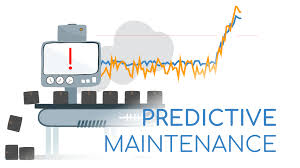
Imagine being able to “listen” to your machinery and know exactly when it’s about to fail—long before any visible signs appear. This isn’t science fiction; it’s the reality of modern industrial maintenance, and it’s made possible by advanced sensors. While many sensors can measure a single parameter, the triaxial vibration and temperature measurement sensor is a powerhouse of data, providing a holistic view of a machine’s health.

This blog post will dive into what these sensors are, how they work, and why they are revolutionizing the way we approach industrial operations.

what is a triaxial vibration and temperature measurement sensor


What is a Triaxial Vibration and Temperature Measurement Sensor?

At its core, this sensor is a sophisticated diagnostic tool in a single, compact package. It combines two critical functions:

  1. Triaxial Vibration Measurement: It measures vibrations along three independent, perpendicular axes: X, Y, and Z.
  2. Temperature Measurement: It simultaneously measures the temperature of the surface it’s mounted on.

The magic lies in this combination. Vibration data can reveal mechanical imbalances, misalignments, and loose parts, while temperature can indicate overheating, excessive friction, or a separate thermal issue. By capturing both sets of data at once, the sensor provides a comprehensive and accurate health profile of the equipment it’s monitoring.

How Does This All-in-One Sensor Work?

The sensor contains two primary sensing elements:

  • For Vibration: Most commonly, a piezoelectric accelerometer is used. This component contains a tiny crystal that generates a voltage when it’s subjected to physical stress from vibration. Since the sensor has a triaxial design, it contains three of these accelerometers, each aligned to a different axis (X, Y, and Z), allowing it to capture the complete 3D motion of the machine.
  • For Temperature: A thermistor or RTD (Resistance Temperature Detector) is typically used. The principle here is simple: as the temperature of the sensor changes, the electrical resistance of the thermistor or RTD changes in a predictable way. By measuring this resistance, the sensor can accurately report the temperature.

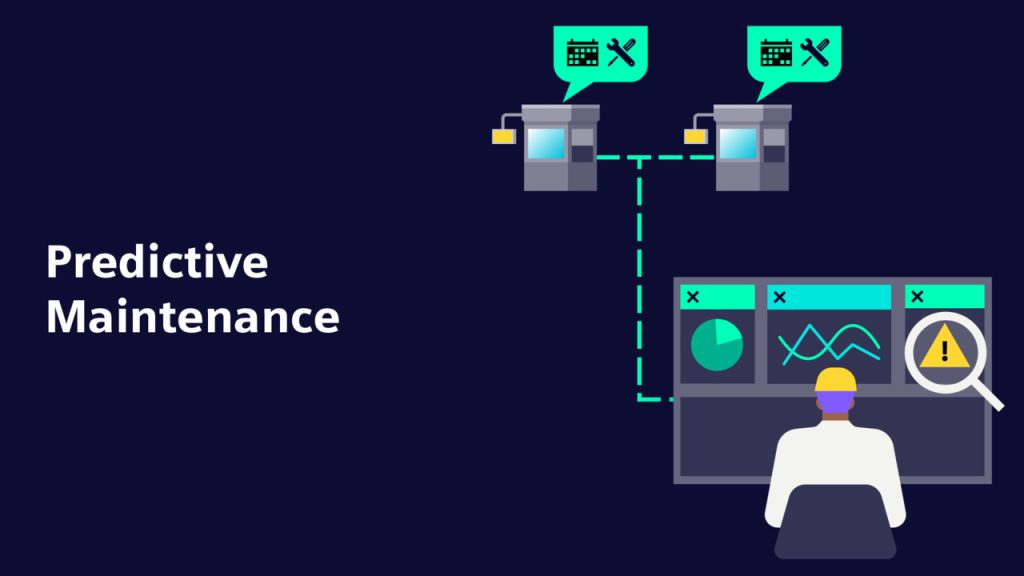
These two streams of data are then processed by the sensor’s internal electronics and transmitted to a data acquisition system. This can be done wirelessly via protocols like Bluetooth or Wi-Fi, or through a wired connection, providing real-time insights into the machine’s condition.

Why is Triaxial Measurement So Important?

Think of it this way: a single-axis sensor is like trying to diagnose a patient’s pain by only checking their heart rate. You might miss a broken bone or a separate infection. Similarly, a single-axis vibration sensor may only capture motion in one direction, potentially missing a critical failure signature that manifests in another.

Consider a simple electric motor. A misaligned shaft might cause significant vibration in the radial (X and Y) directions but not the axial (Z) direction. An unbalanced fan blade, however, might cause a different vibrational pattern. With triaxial data, you get a full 3D “fingerprint” of the machine’s motion, allowing for precise fault identification. It’s the difference between a vague symptom and a clear diagnosis.

Key Applications and Benefits

Triaxial vibration and temperature sensors are the cornerstone of predictive maintenance across various industries:

  • Manufacturing: Monitoring the health of CNC machines, pumps, industrial fans, and motors to prevent costly unplanned downtime.
  • Oil & Gas: Ensuring the reliability of critical assets like compressors and turbines in remote or harsh environments.
  • Renewable Energy: Detecting early signs of failure in wind turbine gearboxes, which are expensive and difficult to repair.
  • HVAC Systems: Identifying issues in large-scale air conditioning units and pumps before they fail and disrupt operations.

The benefits of implementing these sensors are significant and directly impact a company’s bottom line:

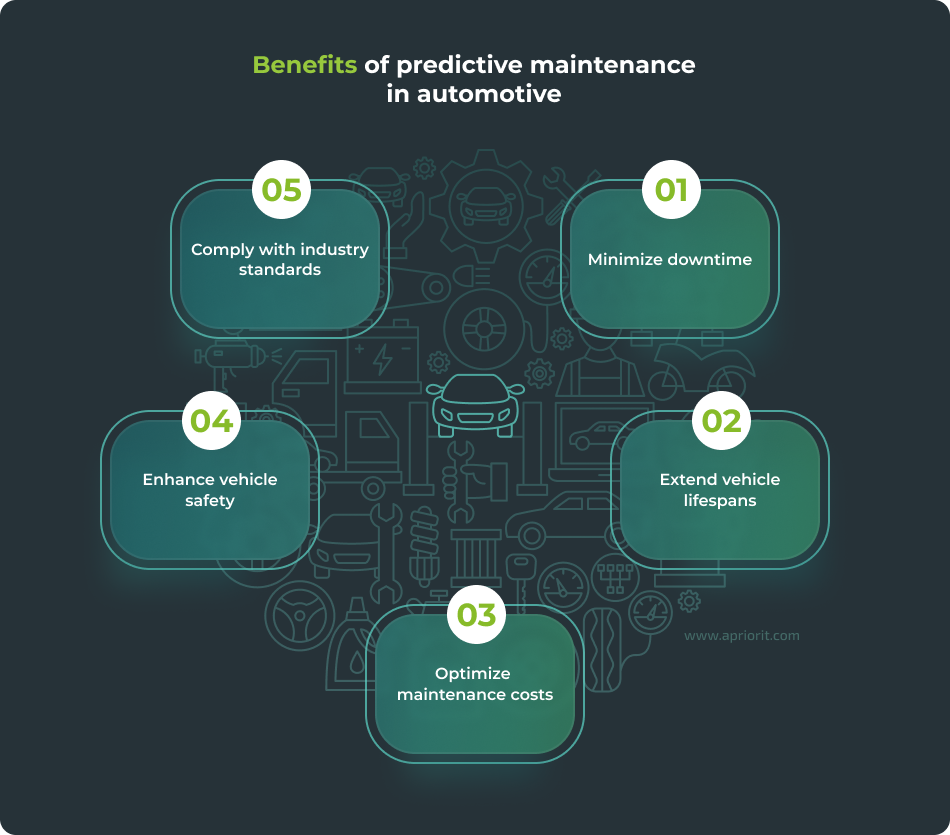
  • Early Fault Detection: The primary advantage. By analyzing the data, you can predict failures and schedule repairs before a catastrophic breakdown occurs.
  • Reduced Unscheduled Downtime: Instead of reacting to failures, you can plan maintenance activities, minimizing disruption to production.
  • Extended Equipment Lifespan: Proactive maintenance and timely repairs prevent minor issues from becoming major ones, extending the life of your valuable assets.
  • Improved Safety: Preventing machine failures reduces the risk of accidents and ensures a safer working environment for employees.

The Future is Smart and Proactive

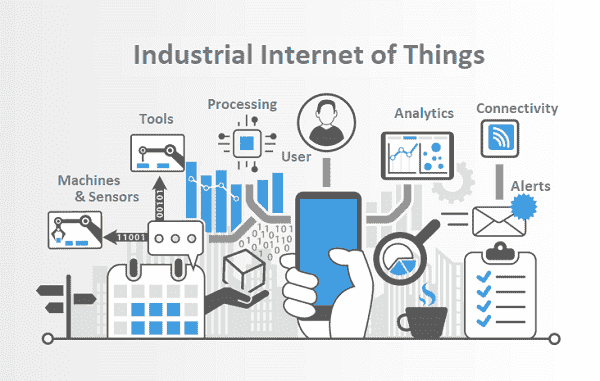
The days of run-to-failure maintenance are rapidly fading. The integration of triaxial vibration and temperature sensors into an industrial IoT (Internet of Things) network empowers companies to transition from reactive to proactive and even prescriptive maintenance. These sensors are not just tools; they are the “eyes and ears” of the smart factory, providing the crucial data needed to make informed decisions.

By embracing this technology, businesses can optimize their operations, save millions in repair costs, and build a more reliable and resilient future.


What is Track and Trace in component Assembly

Tracking and tracing components throughout their assembly process is crucial for ensuring quality, efficiency, and compliance in manufacturing. It’s a system that provides full visibility into a product’s journey, from its raw materials to the final assembled item. This blog post will dive into what Track and Trace is, why it’s so important in component assembly, and how it’s implemented.

track and trace

What is Track and Trace?

Track and Trace is a process that involves both tracking and tracing. Tracking means following an item’s current and historical location and status as it moves through the supply chain. You’re answering the question, “Where is this component right now?” or “Where has it been?” This is often done using unique identifiers like barcodes, QR codes, or RFID tags.

Tracing, on the other hand, means looking backward from the final product to its origins. You’re answering the question, “Where did the parts that make up this finished product come from?” Tracing links a finished good to its individual components, sub-assemblies, and the raw materials used.

In component assembly, a Track and Trace system creates a digital twin of the physical product’s journey. It logs every step, from when a part is received from a supplier to when it’s installed on a production line, and finally, to when the finished product leaves the factory.

Why is Track and Trace Important in Component Assembly?

Implementing a robust Track and Trace system offers numerous benefits that directly impact a company’s bottom line and reputation.

Enhanced Quality Control and Risk Management

Track and Trace systems are a powerful tool for quality control. If a defect is discovered in a finished product, tracing allows you to pinpoint the exact batch of faulty components or the specific production run where the issue occurred. This enables a targeted recall, limiting the scope and cost of the recall to only the affected products. Without a tracing system, a company might be forced to recall a much larger, and more expensive, range of products to be safe.

Improved Operational Efficiency

Knowing the exact location of every component at any given time streamlines logistics and production scheduling. It reduces the time spent searching for parts, minimizes delays, and helps prevent stock shortages on the assembly line. This real-time visibility allows for better inventory management and a smoother flow of materials.

Regulatory Compliance

Many industries, particularly those with high stakes like aerospace, medical devices, and automotive manufacturing, have strict regulatory requirements for traceability. These regulations often mandate that manufacturers can provide a complete history of a product’s lifecycle. A well-documented Track and Trace system ensures compliance and helps avoid hefty fines or legal issues.

Counterfeit Prevention


In industries plagued by counterfeit parts, a robust Track and Trace system is an excellent defense. By serializing and tracking individual components, manufacturers can verify the authenticity of parts as they are received and assembled, preventing counterfeit materials from entering the supply chain and compromising product integrity.

How is a Track and Trace System Implemented?

Implementing a Track and Trace system involves a combination of hardware and software.

Unique Identification Technology

The foundation of any Track and Trace system is the ability to uniquely identify each component. This is most commonly done using:

  • Barcodes and QR Codes: These are cost-effective and easy to scan, making them ideal for high-volume manufacturing.
  • RFID (Radio-Frequency Identification) Tags: RFID tags use radio waves to automatically identify and track items. They can be read from a distance without a direct line of sight, which is a major advantage in complex assembly environments.
  • Data Matrix Codes: These two-dimensional codes can store a large amount of information in a small space and are often laser-etched directly onto parts for permanent identification.

Data Capture and Management

Once a component is identified, its movement and status need to be logged. This is done at various critical tracking events throughout the assembly process, such as:

  • Goods Receipt: When a component arrives from a supplier.
  • Inventory Scan: When a component is placed in storage.
  • Assembly Line Scan: When a component is picked for assembly.
  • Installation: When a component is installed on a sub-assembly or finished product.
  • Quality Check: When a part passes or fails a quality inspection.

This data is captured using scanners, cameras, and sensors and is then fed into a central database or ERP (Enterprise Resource Planning) system.

The Centralized Database

The centralized database is the brain of the Track and Trace system. It links the unique identifiers of all components and sub-assemblies to a final serial number for the finished product. This creates a detailed genealogy or product history record, which can be queried at any time to trace the origin of any part.

The Future of Track and Trace

As technology evolves, so does Track and Trace. The integration of IoT (Internet of Things) sensors, AI (Artificial Intelligence), and blockchain technology is poised to take traceability to the next level. IoT sensors can provide real-time environmental data (like temperature and humidity), while AI can analyze this data to predict potential issues. Blockchain offers a decentralized, immutable ledger, which could enhance the security and trustworthiness of supply chain data, making it even more difficult for counterfeiters to operate.

In conclusion, Track and Trace is more than just a logistical tool; it’s an essential strategy for modern manufacturing. By providing a clear, auditable trail of every component, it safeguards product quality, boosts operational efficiency, ensures compliance, and protects brand reputation. It’s a fundamental investment for any company that values transparency and integrity in its production process.

What Is a DCS and How Does It Work

A Distributed Control System (DCS) is a control system used in process industries like oil and gas, chemicals, and pharmaceuticals. It’s designed to manage and control complex, continuous processes across a large geographic area. Unlike a single, central controller, a DCS uses a network of distributed controllers to monitor and control various parts of a plant. This distributed architecture offers several advantages, including improved reliability, scalability, and flexibility.

what is dcs

What Is a DCS and How Does It Work?

A DCS is essentially a computer-based system that automates the control of industrial processes. The system’s core is its distributed nature. Instead of having one massive central processing unit (CPU) running everything, a DCS uses multiple smaller controllers located closer to the equipment they manage. These controllers, also known as field controllers or Local Control Units (LCUs), are connected to a central operator station via a high-speed communication network. This setup allows for parallel processing, where different parts of the plant can be controlled simultaneously and independently.

The main components of a typical DCS include:

  • Engineering Station: This is where engineers configure, program, and maintain the entire DCS. They create the control logic, define the parameters, and set up the human-machine interface (HMI).
  • Operator Station: This is the control room interface where operators monitor the process, view alarms, and manually adjust control parameters if needed. The operator station provides a comprehensive view of the plant’s status in real-time.
  • Field Control Stations (FCS): These are the intelligent controllers located near the process equipment. They directly communicate with field devices like sensors, valves, and motors. They execute the control logic and collect data from the field.
  • Communication Network: This is the backbone of the DCS, connecting all the stations and controllers. It’s a reliable, redundant network designed to ensure uninterrupted communication.

The distributed architecture means that if one controller fails, only the portion of the plant it controls is affected. The rest of the system continues to operate normally, a significant improvement in system reliability compared to centralized systems.

Why Is a DCS Needed in Automation?

DCS technology is critical for industries with complex, continuous processes. Imagine a chemical plant that needs to maintain precise temperatures, pressures, and flow rates across dozens of reactors and tanks simultaneously. A simple Programmable Logic Controller (PLC) might not be up to the task due to the sheer number of I/O points and the complexity of the control loops. A DCS, however, is built for this scale and complexity.

Key reasons why a DCS is essential:

  • Enhanced Reliability and Redundancy: The distributed nature of a DCS means it’s inherently more reliable. Critical components can be configured with redundancy, ensuring that the system can continue to operate even if a hardware component fails. This is crucial for safety and minimizing downtime.
  • Scalability: A DCS can be easily expanded to accommodate new equipment or processes. You can add more controllers to the network without a major overhaul of the existing system.
  • Advanced Control Capabilities: A DCS offers sophisticated control algorithms and advanced process control (APC) features that are not typically available in simpler systems. This allows for better process optimization, improved product quality, and reduced energy consumption.
  • Centralized Monitoring and Control: While the control is distributed, the operator has a centralized view of the entire plant. The HMI provides a unified interface for monitoring, alarming, and controlling all processes.
  • Integrated Safety Systems: Many modern DCS solutions are integrated with safety instrumented systems (SIS), providing a unified platform for both process control and safety, simplifying engineering and maintenance.

Solutions in DCS Automation

Implementing a DCS is a significant investment, but modern solutions are making it more accessible and powerful than ever. The focus today is on integration, data analytics, and user experience.

  • Integration with Enterprise Systems: Modern DCS solutions are designed to integrate seamlessly with higher-level enterprise systems, such as Manufacturing Execution Systems (MES) and Enterprise Resource Planning (ERP). This creates a connected plant floor, enabling real-time data exchange and better business decisions.
  • Data Analytics and IIoT: The rise of the Industrial Internet of Things (IIoT) has led to DCS solutions that can handle vast amounts of data from field devices. These systems can analyze this data to predict equipment failures, optimize processes, and identify opportunities for improvement. Predictive maintenance is a key benefit, allowing companies to schedule maintenance proactively rather than reactively.
  • Virtualization and Cloud Computing: Many DCS vendors now offer solutions that can be run on virtualized servers or even in the cloud. This reduces hardware costs, simplifies maintenance, and allows for easier system upgrades. It also enables remote monitoring and control, which is particularly useful for geographically dispersed operations.
  • Human-Machine Interface (HMI) Advancements: The HMIs of modern DCS systems are highly intuitive and user-friendly. They use advanced graphics, dashboards, and alarm management tools to provide operators with a clear, concise view of the process. This helps them make faster, more informed decisions, especially during critical events.

In conclusion, a DCS is a powerful automation tool for managing complex industrial processes. Its distributed architecture provides unparalleled reliability and scalability, while modern solutions are leveraging new technologies like IIoT and cloud computing to create smarter, more connected, and more efficient industrial plants.

What is the PSM Process

What is the PSM Process? A Comprehensive Guide to Industrial Safety

In industrial environments, particularly those that handle highly hazardous chemicals, a single mistake or equipment failure can have devastating consequences. The risk isn’t just a minor accident—it’s the potential for a catastrophic event that can endanger lives, harm the environment, and destroy a business.

This is where Process Safety Management (PSM) comes in. More than just a set of rules, PSM is a systematic, proactive approach to managing the integrity of operating systems and processes that handle hazardous materials. Its primary goal is to prevent unwanted releases of highly hazardous chemicals that could lead to fires, explosions, or toxic exposure.

In the United States, the framework for PSM is mandated by the Occupational Safety and Health Administration (OSHA) standard, specifically 29 CFR 1910.119. This standard outlines a comprehensive, 14-element management system that companies must implement to ensure a safe and reliable operation.

what is psm

The 14 Elements of a PSM Program


The core of any effective PSM program lies in its 14 key elements. Each element addresses a specific aspect of safety, from documentation to employee training and emergency response.

  1. Employee Participation: Safety is a team effort. This element requires employers to involve employees and their representatives in the development and implementation of the PSM program. By including the people who work with the processes every day, companies can gain invaluable insights and foster a stronger safety culture.
  2. Process Safety Information (PSI): Before a company can manage a process, it must understand it completely. PSI involves compiling a comprehensive set of written information on the hazards of the chemicals, the technology of the process, and the equipment used. This includes everything from material safety data sheets (SDS) and piping and instrumentation diagrams (P&IDs) to equipment specifications and design codes.
  3. Process Hazard Analysis (PHA): This is one of the most critical and technical elements of PSM. A PHA is a systematic evaluation of a process to identify potential hazards and what could go wrong. Using methods like HAZOP (Hazard and Operability Study) or What-If checklists, a multi-disciplinary team identifies potential accident scenarios, evaluates their causes and consequences, and recommends safeguards to prevent or mitigate them.
  4. Operating Procedures: Safe operations depend on clear, well-documented instructions. This element requires written procedures for all phases of a process, including startup, normal operations, temporary operations, emergency shutdown, and maintenance. These procedures must be reviewed annually and be easily accessible to all employees.
  5. Training: All employees involved in a covered process must be trained on an overview of the process, its hazards, the operating procedures, and emergency actions. This training must be documented, and refresher training must be provided at least every three years to ensure knowledge remains current.
  6. Contractors: Companies must ensure that contract workers who perform services in or near a covered process are aware of the hazards and have been trained in emergency procedures. The employer is responsible for evaluating the safety performance of contractors and ensuring they follow the PSM program.
  7. Pre-Startup Safety Review (PSSR): A PSSR is a final safety review conducted before a new facility is brought online or after a significant modification. Its purpose is to ensure that the construction meets the design specifications, the operating procedures are in place, all training is complete, and that the PHA recommendations have been addressed.
  8. Mechanical Integrity (MI): This element focuses on the reliability and integrity of process equipment. It requires a program to ensure that equipment such as pressure vessels, piping systems, pumps, and emergency shutdown systems are designed, installed, inspected, and maintained properly. This involves a proactive maintenance schedule, rigorous testing, and documented procedures.
  9. Hot Work Permit: Hot work, such as welding, cutting, or grinding, can be a source of ignition for flammable materials. This element requires a permit system for any hot work performed in or near a covered process to ensure that proper precautions are taken and the area is safe.
  10. Management of Change (MOC): Changes to a process—whether to chemicals, equipment, technology, or procedures—can introduce new hazards. The MOC element requires a formal process for reviewing and approving all non-in-kind changes to ensure they are properly evaluated for safety risks before implementation.
  11. Incident Investigation: If an incident or a near-miss occurs, a thorough investigation must be conducted within 48 hours. The goal is not to assign blame, but to identify the root cause, determine contributing factors, and develop corrective actions to prevent recurrence. All findings must be documented and reviewed by affected personnel.
  12. Emergency Planning and Response: This element mandates that facilities have a comprehensive emergency action plan in place for handling a potential chemical release. The plan must cover employee evacuation, first aid, and procedures for coordinating with local emergency responders.
  13. Compliance Audits: To ensure the PSM program remains effective, companies must conduct a compliance audit at least every three years. The audit evaluates whether the procedures and practices of the PSM program are being followed and whether they are effective. Any deficiencies found must be corrected in a timely manner.
  14. Trade Secrets: The standard recognizes the need to protect confidential process information. However, it also requires that employers provide all necessary safety information—even if it is considered a trade secret—to employees and their representatives for the purpose of compliance and safety.

Why is a PSM Program So Crucial?

Implementing a robust PSM program is far more than a regulatory requirement. It is a fundamental commitment to safety that provides immense value:

  • Protects Human Life: The most important reason for PSM is to prevent fatalities and severe injuries to employees, contractors, and the surrounding community.
  • Enhances Business Resilience: A major incident can lead to facility shutdowns, legal action, massive fines, and irreparable damage to a company’s reputation. PSM helps ensure operational continuity and business sustainability.
  • Ensures Regulatory Compliance: Adhering to the OSHA standard helps companies avoid steep penalties and legal liabilities.
  • Fosters a Proactive Safety Culture: PSM shifts the focus from reacting to accidents to proactively identifying and managing risks. It embeds safety as a core value in every aspect of a company’s operations.

In essence, the PSM process is a holistic, continuous loop of planning, implementing, checking, and improving. It is a long-term investment that provides an invaluable return in safety, operational reliability, and peace of mind.

what is bin management system and solution

What is Bin Management System and Solution

Bin Management Systems: The Ultimate Solution for Inventory Chaos

In the bustling world of logistics and e-commerce, a disorganized warehouse isn’t just a headache—it’s a financial liability. Every minute an employee spends searching for a misplaced item, every incorrect shipment, and every lost product directly impacts your bottom line.

If your inventory process feels more like a treasure hunt than a streamlined operation, it’s time to talk about a powerful, often overlooked solution: a Bin Management System.

This isn’t just about putting things in boxes; it’s a strategic framework that can transform your entire inventory workflow from a source of frustration into a driver of efficiency and accuracy.

what is bin management system

What Exactly is a Bin Management System?


At its core, a Bin Management System is a systematic approach to organizing and tracking inventory by assigning every single item a specific, unique physical location within a storage facility. Think of it as a digital map for your warehouse, where every product has an exact address.

The “bin” can be anything from a shelf, a specific rack, a pallet location, or even a designated floor area. The key is that each bin is uniquely identified (e.g., Aisle 3, Rack 5, Shelf B, Bin 12) and is linked in a software system to the exact items stored there.

This system moves beyond traditional, static inventory lists by providing real-time, location-based data. It tells you not only what you have, but precisely where it is, and for how long.

The Pain Points a Bin Management System Solves:

A well-implemented bin management solution isn’t just a nice-to-have; it’s a necessity for solving some of the most common and costly problems in inventory management:

  • Inaccurate Inventory Counts: Manual tracking and human error are the leading causes of inventory inaccuracies. A bin system ensures that every item’s movement—whether it’s being put away, picked, or transferred—is recorded against its specific bin location, creating a single source of truth.
  • Wasted Time and Labor Costs: In a non-managed warehouse, employees can spend up to 30% of their time simply looking for items. A bin system eliminates this wasted effort by providing instant, accurate directions, allowing staff to spend their time on productive tasks.
  • Picking and Shipping Errors: When a picker is directed to the exact bin location for a specific SKU, the chances of picking the wrong item are drastically reduced. This leads to higher order accuracy and, most importantly, happier customers.
  • Poor Space Utilization: A bin management system gives you a clear overview of your entire warehouse layout, highlighting empty bins and underutilized spaces. This allows you to optimize your layout, improve storage density, and avoid unnecessary expansion costs.
  • Lack of Visibility: Without a system, it’s difficult to get a real-time picture of your stock levels. A bin system provides instant visibility into stock levels across every location, helping you make smarter purchasing decisions and prevent stockouts or overstocking.

Key Features of a Modern Bin Management Solution:

A robust bin management solution is more than just a spreadsheet. It’s a dynamic tool with a range of features designed for efficiency:

  1. Barcode and RFID Integration: This is the engine of the system. By scanning barcodes or RFID tags, employees can instantly confirm they are in the right bin and handling the correct item, eliminating manual data entry and its associated errors.
  2. Real-Time Data Sync: Every movement is recorded and updated in the system in real-time. A supervisor can see exactly what’s on every shelf at any given moment, from a central dashboard.
  3. Optimized Picking and Put-away Logic: The system can calculate the most efficient route for an employee to pick multiple items for an order, minimizing travel time. It can also suggest the best bin for a new item, based on factors like size, turnover rate, and proximity to other products.
  4. Advanced Reporting and Analytics: Solutions often include dashboards that provide insights into inventory turnover, picking speeds, stock aging, and other key performance indicators. This data is invaluable for strategic planning.
  5. Seamless Integration: The most powerful bin management solutions integrate with your existing Enterprise Resource Planning (ERP) or Warehouse Management System (WMS). This ensures that your inventory data, sales orders, and shipping information are all synchronized across your business.

Implementing a Bin Management System: A Practical Guide

Adopting a bin management system can seem daunting, but a structured approach makes it manageable:

  1. Assess Your Needs: Start by understanding your current challenges. What are your biggest bottlenecks? What kind of items do you store? How big is your facility? This assessment will help you choose a solution that fits your specific needs.
  2. Design a Logical Bin Structure: This is a crucial step. Create a logical and intuitive naming convention for your bins (e.g., Aisle-Rack-Shelf-Position). This structure should be easy for your team to understand and follow.
  3. Select the Right Technology: Choose a software solution that’s scalable and user-friendly. You’ll also need to invest in the necessary hardware, such as barcode scanners or mobile computers.
  4. Migrate Your Data: The accuracy of your system depends on the quality of your initial data. Systematically label every bin and perform a thorough physical inventory count as you load your stock into the new system.
  5. Train Your Team: A bin management system is only as good as the people using it. Provide comprehensive training to all employees, explaining both the “how” and the “why” behind the new processes.
  6. Start with a Pilot: Instead of a full-scale rollout, consider implementing the system in one small section of your warehouse first. This allows you to identify and fix any issues before expanding to the entire facility.

The Payoff: Why It’s Worth the Investment


The benefits of a bin management system extend far beyond simple organization. By solving the core problems of inventory chaos, you will achieve:

  • Increased Efficiency: Faster picking and put-away times lead to higher order fulfillment rates.
  • Improved Accuracy: Near-perfect inventory counts mean fewer stockouts, less overstocking, and better financial reporting.
  • Lower Costs: Reduced labor time, less wasted inventory, and optimized storage space all contribute to a healthier bottom line.
  • Enhanced Customer Satisfaction: Accurate and timely shipments are the foundation of a great customer experience.

In today’s competitive landscape, businesses can no longer afford to be held back by outdated inventory processes. A bin management system is not just a tool for organization; it’s a strategic investment in the future of your operations. It provides the clarity, control, and efficiency needed to thrive in a world where speed and accuracy are paramount.