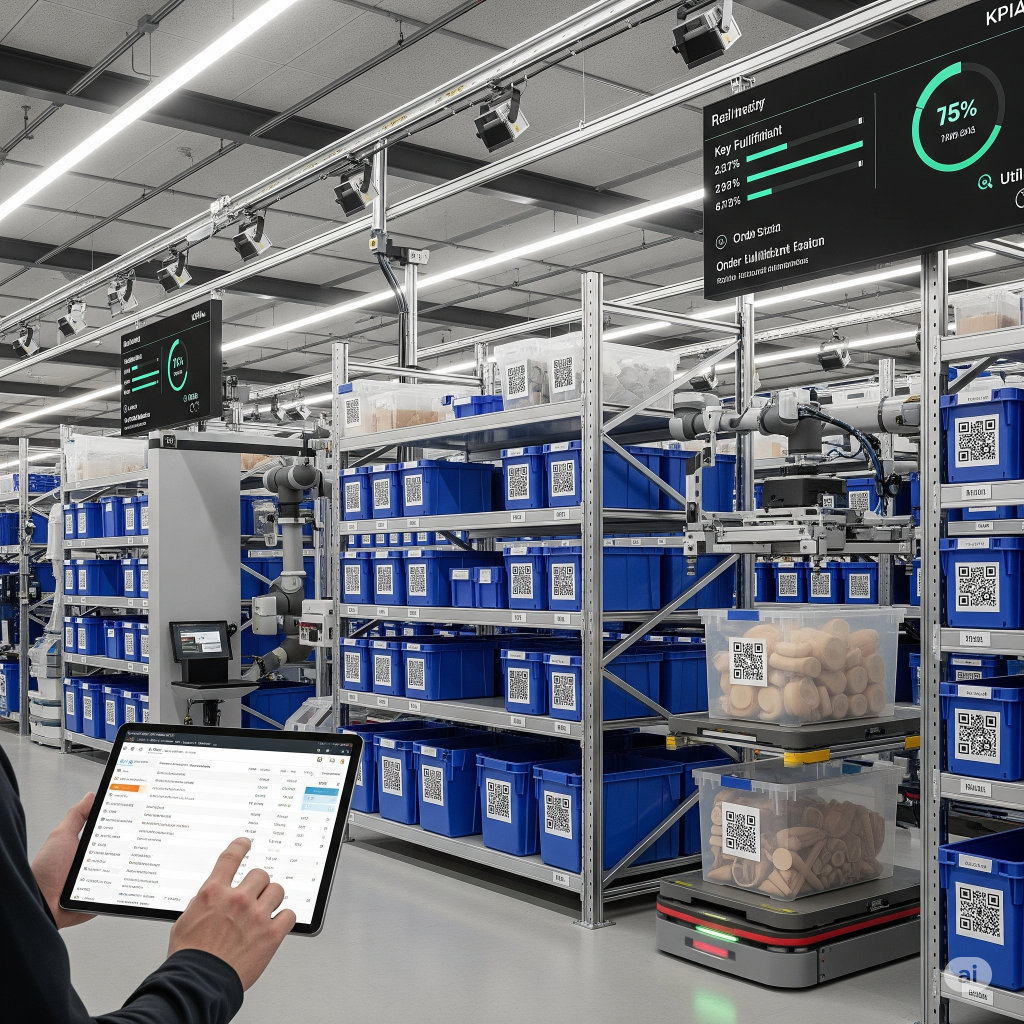
Variant Management Solution

Variant Management Solution

In today’s dynamic and increasingly personalized marketplace, businesses across industries face a complex challenge: managing a burgeoning array of product variants. From the subtle differences in a t-shirt’s color and size to the intricate configurations of an industrial machine, the sheer volume and complexity of these variations can quickly overwhelm even the most organized operations. This is where a robust Variant Management Solution (VMS) steps in, offering a beacon of clarity and control in the often-turbulent waters of product diversification.

But what exactly is a Variant Management Solution, and why is it no longer a luxury but a necessity for businesses striving for efficiency, agility, and customer satisfaction? Let’s delve deeper into the intricacies and benefits of implementing a comprehensive VMS.

variant management solution

Understanding the Variant Landscape: More Than Just Options

Product variants are more than just different flavors of the same core product. They represent strategic efforts to cater to diverse customer needs, preferences, and market segments. While offering variety can be a significant competitive advantage, it also introduces a layer of complexity across the entire product lifecycle, impacting everything from design and manufacturing to inventory management, marketing, and sales.

Without a dedicated system to manage these variations, businesses often find themselves grappling with:

  • Data Silos and Inconsistencies: Information about different variants becomes scattered across disparate systems (spreadsheets, ERP, PLM), leading to errors, redundancies, and a lack of a single source of truth.
  • Inefficient Product Development: Creating and managing new variants can become a cumbersome and time-consuming process, hindering innovation and slowing down time-to-market.
  • Complex Inventory Management: Tracking and forecasting demand for numerous SKUs becomes a logistical nightmare, leading to stockouts of popular variants and overstocking of less popular ones.
  • Marketing and Sales Challenges: Presenting and selling a wide range of variants effectively can be difficult, leading to confusion for both sales teams and customers.
  • Increased Operational Costs: Inefficiencies across the value chain translate directly into higher costs associated with production, warehousing, and order fulfillment.

The Power of a Unified Approach: What a Variant Management Solution Offers

A well-implemented Variant Management Solution provides a centralized and integrated platform to manage all aspects of product variations throughout their lifecycle. It acts as the single source of truth for all variant-related information, enabling seamless collaboration and streamlined processes across different departments.

Here are some key capabilities and benefits you can expect from a modern VMS:

  1. Centralized Data Management:
  • Single Source of Truth: All information related to product variants, including specifications, attributes, pricing, and inventory levels, is stored in a central repository, eliminating data silos and ensuring consistency.
  • Standardized Attributes: Define and manage standardized attributes for different product families, making it easier to categorize, filter, and compare variants.
  • Visual Configuration: Offer intuitive visual tools that allow users (both internal teams and customers) to easily configure and visualize product variants based on available options.
  1. Streamlined Product Development:
  • Modular Design Principles: Facilitate the adoption of modular design, where core product components can be combined in different ways to create a variety of variants, reducing development effort and time.
  • Variant Generation Tools: Automate the creation of new variants based on predefined rules and configurations, accelerating the product development process.
  • Impact Analysis: Understand the implications of changes to a core product or component on all its associated variants, enabling better decision-making and reducing errors.
  1. Optimized Inventory Management:
  • Accurate Demand Forecasting: Gain better visibility into the demand for specific variants, allowing for more accurate forecasting and inventory planning.
  • Reduced Stockouts and Overstocking: Optimize inventory levels by understanding variant-specific demand patterns, minimizing the risk of lost sales and reducing holding costs.
  • Efficient Warehouse Management: Streamline warehouse operations by having clear and consistent information about each variant’s location and characteristics.
  1. Enhanced Marketing and Sales Effectiveness:
  • Personalized Customer Experiences: Enable personalized product recommendations and offerings based on individual customer preferences for specific variants.
  • Effective Product Presentation: Showcase the full range of available variants in a clear and user-friendly manner on e-commerce platforms and sales materials.
  • Simplified Sales Configuration: Equip sales teams with the tools to easily configure and quote complex product variants, reducing errors and accelerating the sales cycle.
  • Improved Customer Satisfaction: By offering the right product variant at the right time, businesses can significantly enhance customer satisfaction and loyalty.
  1. Improved Operational Efficiency and Reduced Costs:
  • Automation of Repetitive Tasks: Automate tasks related to variant creation, data management, and order processing, freeing up valuable resources.
  • Reduced Errors and Rework: Centralized data and standardized processes minimize the risk of errors and the need for costly rework.
  • Faster Time-to-Market: Streamlined product development and efficient processes enable quicker introduction of new variants to the market.
  • Better Collaboration: Facilitate seamless collaboration between different departments (engineering, manufacturing, sales, marketing) through a shared platform.

Choosing the Right Variant Management Solution: Key Considerations

Selecting the right VMS for your business is a critical decision. Here are some key factors to consider:

  • Integration Capabilities: Ensure the VMS can seamlessly integrate with your existing enterprise systems, such as ERP, PLM, CRM, and e-commerce platforms.
  • Scalability and Flexibility: Choose a solution that can scale with your business growth and adapt to evolving product complexities and market demands.
  • User-Friendliness: Opt for a solution with an intuitive and user-friendly interface that is easy for different teams to adopt and utilize effectively.
  • Configuration and Customization Options: Look for a VMS that offers sufficient configuration and customization options to meet your specific business requirements and workflows.
  • Reporting and Analytics: The solution should provide robust reporting and analytics capabilities to gain insights into variant performance, demand patterns, and operational efficiency.
  • Vendor Support and Expertise: Choose a vendor with a proven track record, reliable support, and deep expertise in variant management.

Embracing the Future of Product Diversification with VMS

In conclusion, as businesses continue to embrace product diversification to cater to increasingly granular customer needs, a robust Variant Management Solution is no longer an option but a strategic imperative. By providing a centralized, integrated, and intelligent platform for managing product variations, a VMS empowers businesses to unlock significant efficiencies, enhance agility, improve customer satisfaction, and ultimately drive sustainable growth in a complex and competitive landscape. Investing in the right VMS is an investment in the future success of your product strategy.


Variant Management System

Variant Management System:

In today’s dynamic and increasingly personalized marketplace, businesses face a fascinating challenge: offering a diverse array of product variations while maintaining operational efficiency and a seamless customer experience. From the subtle differences in the shade of a lipstick to the intricate configurations of a custom-built bicycle, product variants are no longer a luxury but a necessity for staying competitive and catering to nuanced consumer demands.

variant management system

However, this explosion of choice brings with it a significant layer of complexity. Managing countless stock-keeping units (SKUs), tracking inventory across numerous variations, and ensuring accurate product information across all channels can quickly become a logistical nightmare. This is where the unsung hero of modern commerce steps in: the Variant Management System (VMS).

Think of a VMS as the central nervous system for your product variations. It’s a sophisticated software solution designed to streamline the creation, organization, and management of products that share a common base but differ in specific attributes. Whether you’re dealing with size, color, material, features, or any other differentiating factor, a robust VMS provides the structure and control you need to navigate the labyrinth of choice with confidence.

Why is Variant Management Crucial in Today’s Landscape?

The need for effective variant management stems from several key trends shaping the modern business environment:

  • The Rise of Personalization: Consumers increasingly expect products tailored to their individual preferences. Offering variants allows businesses to cater to these specific needs, fostering customer loyalty and driving sales.
  • Omnichannel Presence: Businesses operate across multiple touchpoints – e-commerce websites, physical stores, marketplaces, social media – and consistent, accurate product information across all these channels is paramount. A VMS ensures this consistency for all variants.
  • Inventory Optimization: Inefficiently managing variants can lead to overstocking of unpopular options and stockouts of popular ones. A VMS provides real-time visibility into inventory levels for each variant, enabling better forecasting and inventory control.
  • Enhanced Customer Experience: Clear and organized presentation of product variants on e-commerce platforms simplifies the customer journey, making it easier for them to find and purchase exactly what they’re looking for. Confusing or incomplete variant information can lead to frustration and abandoned carts.
  • Streamlined Operations: Manually managing numerous variants through spreadsheets and disparate systems is time-consuming, error-prone, and hinders scalability. A VMS automates many of these processes, freeing up valuable time and resources.
  • Data-Driven Insights: A well-implemented VMS can provide valuable data on the performance of different variants, allowing businesses to identify trends, optimize their product offerings, and make informed decisions about future product development.

The Core Functionalities of a Powerful Variant Management System:

A comprehensive VMS typically offers a range of features designed to address the complexities of managing product variations. These functionalities often include:

  • Centralized Variant Creation and Management: The ability to easily create new variants based on defined attributes (e.g., size, color) and manage their specific details (SKU, price, inventory, images, descriptions) in a single, unified platform.
  • Attribute Definition and Management: Defining and managing the different attributes that can vary within a product family. This includes setting up attribute values (e.g., “Red,” “Blue,” “Small,” “Large”) and their relationships.
  • Variant Grouping and Hierarchy: Organizing variants into logical groups based on their common product base, making it easier to manage and display them on customer-facing platforms. This often involves establishing parent-child relationships between the base product and its variations.
  • Visual Variant Presentation: Tools for displaying variants effectively on e-commerce sites, often including image swatches, dropdown menus, and size charts, to enhance the user experience.
  • Inventory Tracking and Management: Real-time visibility into the stock levels of each individual variant across all locations, enabling efficient inventory control and preventing stockouts or overstocking.
  • Pricing and Promotion Management: Setting specific prices for individual variants or applying price rules across groups of variants. Managing promotions and discounts for specific variations.
  • Data Synchronization: Seamless integration with other business systems such as ERP (Enterprise Resource Planning), PIM (Product Information Management), and e-commerce platforms to ensure data consistency across the entire ecosystem.
  • Reporting and Analytics: Generating reports on variant performance, sales trends, and inventory levels to provide valuable insights for decision-making.
  • Workflow Automation: Automating tasks related to variant creation, updates, and data synchronization to improve efficiency and reduce manual errors.

Choosing the Right Variant Management System for Your Business:

Selecting the appropriate VMS is a critical decision that can significantly impact your operational efficiency and customer experience. Consider the following factors when evaluating different systems:

  • Scalability: Can the system handle your current volume of variants and accommodate future growth?
  • Integration Capabilities: Does it seamlessly integrate with your existing business systems (ERP, PIM, e-commerce platform, etc.)?
  • Ease of Use: Is the system intuitive and user-friendly for your team?
  • Customization Options: Can the system be tailored to your specific business needs and product types?
  • Reporting and Analytics Features: Does it provide the insights you need to make informed decisions?
  • Vendor Support and Reliability: What is the vendor’s reputation for support and system reliability?
  • Cost: Does the system fit within your budget? Consider both upfront costs and ongoing maintenance fees.

The Future of Variant Management:

As technology continues to evolve, so too will the capabilities of variant management systems. We can expect to see advancements in areas such as:

  • AI-Powered Recommendations: Utilizing artificial intelligence to suggest relevant product variations to customers based on their browsing history and preferences.
  • Dynamic Visualizations: More interactive and engaging ways to display product variants, such as 3D models and augmented reality experiences.
  • Enhanced Personalization: Deeper integration with customer data to offer even more personalized product configurations and recommendations.
  • Predictive Inventory Management: Leveraging machine learning to forecast demand for different variants more accurately, optimizing inventory levels.
  • Seamless Integration with Emerging Technologies: Integration with technologies like IoT (Internet of Things) to gather real-time data on product usage and preferences, further informing variant strategies.

In a world brimming with choices, effective variant management is no longer an optional extra but a fundamental requirement for businesses looking to thrive. A robust Variant Management System provides the necessary infrastructure to navigate the complexities of offering diverse product variations, ensuring operational efficiency, enhancing the customer experience, and ultimately driving growth. By understanding the core functionalities and carefully considering their specific needs, businesses can leverage the power of a VMS to transform the challenge of product variation into a significant competitive advantage. So, embrace the complexity, streamline your operations, and unlock the full potential of your product offerings with the right variant management system by your side.

Industry 4.0 The Fourth Industrial Revolution Explained

Industry 4.0 The Fourth Industrial Revolution Explained

The air crackles with innovation. We’ve moved beyond the steam engine, the assembly line, and even the dawn of the digital age. Now, a new era is upon us – the Fourth Industrial Revolution, or Industry 4.0. It’s not just about incremental improvements; it’s a fundamental shift in how we live, work, and interact, driven by the convergence of digital, physical, and biological spheres.

Industry 4.0

But what exactly is Industry 4.0? At its core, it’s about the intelligent networking of machines, processes, and systems. Imagine factories where machines communicate seamlessly, products guide their own manufacturing journey, and data-driven insights optimize every step of the value chain in real-time. This isn’t science fiction; it’s rapidly becoming reality.

The Pillars of This Revolution:

Several key technologies are fueling this transformation:

  • The Internet of Things (IoT): Imagine everyday objects – from factory equipment to consumer goods – embedded with sensors, software, and connectivity. This allows them to collect and exchange data, providing unprecedented visibility and control over processes. Think of predictive maintenance on machinery, anticipating failures before they even occur, saving time and resources.
  • Artificial Intelligence (AI) and Machine Learning (ML): These technologies are the brains behind Industry 4.0. AI algorithms can analyze vast amounts of data generated by IoT devices to identify patterns, make predictions, and automate decision-making. 1 Machine learning allows systems to learn and improve over time without explicit programming, leading to increasingly intelligent and efficient operations.
  • Big Data and Analytics: The sheer volume of data generated in an Industry 4.0 environment is immense. Powerful analytics tools are crucial for extracting meaningful insights from this data, enabling businesses to optimize production, personalize products, and understand customer needs like never before.
  • Cloud Computing: The scalability and accessibility of cloud computing provide the infrastructure needed to store, process, and analyze the massive datasets generated by Industry 4.0 technologies. It allows for seamless collaboration and access to advanced computing power without significant upfront investment.
  • Cyber-Physical Systems (CPS): These are integrations of computation, networking, and physical processes. Think of smart robots working collaboratively with humans on an assembly line, adapting to changing conditions and performing complex tasks with precision and safety.
  • Additive Manufacturing (3D Printing): This technology allows for the creation of complex geometries layer by layer, offering unprecedented flexibility in product design and customization. It enables on-demand manufacturing, reduced material waste, and the creation of entirely new product categories.
  • Augmented Reality (AR) and Virtual Reality (VR): These technologies are transforming how humans interact with industrial environments. AR can overlay digital information onto the real world, assisting technicians with maintenance tasks or providing real-time performance data. VR can create immersive training environments or allow engineers to collaborate on designs in a virtual space.
  • Cybersecurity: As industries become increasingly connected, protecting sensitive data and critical infrastructure from cyber threats is paramount. Robust cybersecurity measures are an essential foundation for a successful Industry 4.0 implementation.

The Impact Across Industries:

The implications of Industry 4.0 are far-reaching, impacting virtually every sector:

  • Manufacturing: Expect smarter factories with autonomous robots, predictive maintenance, and highly customized products delivered with unprecedented speed and efficiency.
  • Logistics and Supply Chain: Real-time tracking, autonomous vehicles, and intelligent warehousing will create more agile and resilient supply chains.
  • Energy: Smart grids, predictive maintenance for energy infrastructure, and optimized energy consumption will lead to a more sustainable and efficient energy sector.
  • Healthcare: Personalized medicine, AI-powered diagnostics, and remote patient monitoring will revolutionize healthcare delivery.
  • Agriculture: Precision agriculture, using sensors and data analytics to optimize resource use, will lead to increased yields and more sustainable farming practices.

Navigating the Challenges and Embracing the Opportunities:

While the potential of Industry 4.0 is immense, the transition isn’t without its challenges. Concerns around job displacement due to automation, the need for new skill sets, and the complexities of data security and integration need careful consideration.

However, the opportunities far outweigh the challenges. Industry 4.0 promises:

  • Increased Efficiency and Productivity: Optimizing processes and reducing waste.
  • Enhanced Innovation and Faster Time-to-Market: Enabling rapid prototyping and customized product development.
  • Improved Quality and Reliability: Through real-time monitoring and predictive maintenance.
  • Greater Agility and Flexibility: Adapting to changing market demands and customer needs.
  • New Business Models and Revenue Streams: Leveraging data and connectivity to create innovative services.

The Journey Ahead:

Industry 4.0 is not a destination but an ongoing journey of innovation and transformation. Businesses that embrace these technologies, invest in their workforce, and prioritize cybersecurity will be well-positioned to thrive in this new industrial era. It’s a time of tremendous potential, and the future of industry is being written now, powered by intelligent connections and data-driven insights.

What are your thoughts on the Fourth Industrial Revolution? How do you see it impacting your industry or daily life? Share your comments below!

Implement Predictive Maintenance for Maximum Uptime

Implement Predictive Maintenance for Maximum Uptime

In today’s fast-paced industrial landscape, unplanned downtime can be a silent killer of productivity and profitability. Imagine a critical piece of machinery grinding to a halt unexpectedly, disrupting operations, delaying deliveries, and sending repair costs soaring. This is the reality that many businesses face, but what if you could see these failures coming? What if you could predict the future of your equipment’s health and take proactive steps to prevent breakdowns? This is where the power of Predictive Maintenance (PdM) comes into play.

Predictive Maintenance

Forget the reactive scramble after a failure and move beyond the rigid schedules of preventive maintenance. Predictive maintenance utilizes the wealth of data generated by modern machinery, coupled with sophisticated analytics, to forecast potential equipment issues before they escalate into costly problems. It’s like having a crystal ball for your assets, allowing you to optimize maintenance schedules, reduce downtime, and ultimately boost your bottom line.

The Evolution of Maintenance: From Reactive to Proactive

To truly appreciate the value of PdM, it’s helpful to understand its evolution:

  • Reactive Maintenance: This is the oldest and simplest approach – “run it till it breaks.” While seemingly cost-effective in the short term, it often leads to significant unplanned downtime, higher repair costs, and potential safety hazards.
  • Preventive Maintenance: This involves performing maintenance at predetermined intervals, regardless of the actual condition of the equipment. While it reduces the likelihood of unexpected failures compared to reactive maintenance, it can also lead to unnecessary maintenance and the replacement of perfectly functional parts.
  • Predictive Maintenance: This advanced approach leverages data analysis and condition monitoring techniques to predict when maintenance will be required. By identifying early signs of deterioration, PdM allows for timely interventions, minimizing downtime and optimizing resource allocation.

How Does Predictive Maintenance Work? The Core Components

At its heart, predictive maintenance relies on a combination of technologies and processes:

  1. Data Acquisition: This involves collecting data from various sources, including:
    • Sensors: Vibration, temperature, pressure, acoustic emission, oil analysis sensors, and more, continuously monitor equipment health.
    • Control Systems (SCADA, PLC): Historical and real-time operational data such as cycle times, load, and energy consumption.
    • Maintenance Logs: Records of past repairs, failures, and maintenance activities.
    • Manual Inspections: Data gathered through routine visual or manual checks.
  1. Condition Monitoring: This involves continuously or periodically monitoring the collected data to identify any deviations from normal operating conditions. Various techniques are employed, such as:
    • Vibration Analysis: Detecting imbalances, misalignments, bearing defects, and other mechanical issues.
    • Thermography (Infrared Imaging): Identifying hotspots that could indicate electrical faults, bearing failures, or insulation problems.
    • Oil Analysis: Assessing the condition of lubricants to detect wear particles, contamination, and changes in viscosity.
    • Acoustic Emission Analysis: Detecting high-frequency sounds generated by cracks, leaks, or other developing faults.
    • Ultrasonic Testing: Identifying leaks in pressurized systems or detecting flaws in materials.
  1. Data Analysis and Machine Learning: This is where the raw data is transformed into actionable insights. Sophisticated algorithms and machine learning models are used to:
    • Identify Patterns and Anomalies: Detecting subtle deviations from normal behavior that might indicate an impending failure.
    • Predict Remaining Useful Life (RUL): Estimating how much longer a piece of equipment can operate reliably before failure.
    • Classify Failure Modes: Identifying the specific types of failures that are likely to occur.
    • Optimize Maintenance Schedules: Recommending the most effective time to perform maintenance tasks.
  1. Action and Intervention: Based on the insights generated by the analysis, maintenance teams can proactively schedule repairs, replace worn parts, or make necessary adjustments before a failure occurs. This targeted approach minimizes disruption and ensures that maintenance resources are used efficiently.

The Tangible Benefits of Embracing Predictive Maintenance

Implementing a predictive maintenance strategy offers a multitude of compelling advantages:

  • Reduced Downtime: By predicting and preventing failures, PdM significantly minimizes unplanned outages, leading to increased production and operational efficiency.
  • Lower Maintenance Costs: Proactive interventions are typically less expensive than reactive repairs. PdM also optimizes the use of spare parts and reduces unnecessary preventive maintenance tasks.
  • Extended Asset Lifespan: By addressing minor issues before they become major problems, PdM can prolong the life of valuable equipment.
  • Improved Safety: Identifying potential equipment malfunctions early can prevent accidents and ensure a safer working environment.
  • Optimized Resource Allocation: PdM provides insights into when and where maintenance is truly needed, allowing for better planning and allocation of maintenance personnel and resources.
  • Enhanced Decision-Making: Data-driven insights empower maintenance teams and management to make more informed decisions about asset management and investment.

Overcoming the Challenges of Implementing PdM

While the benefits of predictive maintenance are undeniable, successful implementation can present certain challenges:

  • Initial Investment Costs: Setting up the necessary sensors, data acquisition systems, and analytics platforms can involve a significant upfront investment.
  • Data Integration and Management: Integrating data from various sources and managing large volumes of data can be complex.
  • Expertise and Training: Implementing and utilizing PdM effectively requires skilled personnel with expertise in data analysis, condition monitoring, and machine learning.
  • Organizational Culture Shift: Adopting a proactive maintenance approach requires a shift in mindset and collaboration across different departments.
  • Choosing the Right Technology: Selecting the appropriate sensors, software, and analytics tools for specific equipment and applications is crucial.

The Future is Predictive: Embracing the Data-Driven Revolution in Maintenance

Predictive maintenance is no longer a futuristic concept; it’s a present-day necessity for businesses looking to optimize their operations, reduce costs, and gain a competitive edge. As sensor technology becomes more affordable and sophisticated, and as machine learning algorithms continue to advance, the power and accessibility of PdM will only grow.

By embracing the data-driven revolution in maintenance, organizations can move from reactive firefighting to proactive planning, ensuring the health and longevity of their critical assets and paving the way for a more efficient and resilient future. The ability to predict the future of downtime is no longer a dream – it’s a tangible reality within reach for those who are ready to embrace the power of predictive maintenance.

Warehouse Management Automation

Warehouse Management Automation: Revolutionizing Efficiency and Accuracy in Modern Logistics

Warehouse management automation (WMA) is the strategic implementation of technology and software to streamline and optimize various processes within a warehouse. Moving beyond manual, paper-based operations, WMA leverages hardware, software, and data analytics to enhance efficiency, accuracy, speed, and overall productivity. In today’s demanding and fast-paced global supply chains, WMA is no longer a luxury but a necessity for businesses seeking to remain competitive and meet evolving customer expectations.

This long-form content delves into the multifaceted aspects of warehouse management automation, exploring its benefits, key technologies, implementation considerations, challenges, and the future landscape.

Warehouse Management Automation

The Imperative for Warehouse Management Automation:

Several factors are driving the widespread adoption of WMA:

  • Increasing Order Volumes and Complexity: E-commerce booms and omnichannel retail strategies have led to a surge in order volumes, smaller order sizes, and greater complexity in fulfillment. Manual processes struggle to keep pace with this demand.
  • Labor Shortages and Costs: Finding and retaining warehouse labor is becoming increasingly challenging and expensive. Automation can alleviate the reliance on manual labor, reducing costs and mitigating the impact of labor shortages.
  • Demand for Faster Delivery and Accuracy: Customers expect rapid and accurate order fulfillment. Automation minimizes errors and accelerates processes, leading to improved customer satisfaction.
  • Data-Driven Decision Making: WMA systems generate vast amounts of data, providing valuable insights into warehouse performance. This data enables better decision-making, forecasting, and continuous improvement.
  • Supply Chain Resilience: Automated warehouses are often more resilient to disruptions, as they are less reliant on individual human performance and can adapt more readily to changing conditions.
  • Competitive Advantage: Businesses that embrace WMA gain a significant competitive edge through improved efficiency, reduced costs, and enhanced customer service.

Key Technologies Driving Warehouse Management Automation:

A wide range of technologies contribute to warehouse management automation:

  • Warehouse Management Systems (WMS): The central nervous system of a modern warehouse, WMS software provides real-time visibility and control over all warehouse operations, including receiving, putaway, inventory management, order picking, packing, and shipping. Advanced WMS functionalities include task interleaving, yard management, and labor management.
  • Barcode and RFID Technology: These technologies enable accurate and rapid identification and tracking of goods throughout the warehouse. Barcodes are cost-effective for line-of-sight scanning, while RFID offers longer read ranges and the ability to track multiple items simultaneously without direct line of sight.
  • Automated Guided Vehicles (AGVs) and Autonomous Mobile Robots (AMRs): AGVs follow pre-defined paths using wires, magnetic strips, or lasers, while AMRs use sensors, cameras, and mapping software to navigate autonomously around the warehouse. They can automate tasks like transporting pallets, picking items, and replenishment.
  • Automated Storage and Retrieval Systems (AS/RS): These systems automatically store and retrieve items from high-density storage locations, maximizing space utilization and retrieval speed. Different types of AS/RS include unit-load AS/RS, mini-load AS/RS, and vertical lift modules (VLMs).
  • Conveyor Systems: Automated conveyor belts efficiently transport goods between different areas of the warehouse, such as receiving, sorting, picking, and packing stations.
  • Robotics and Automated Picking Systems: Robotic arms and automated picking systems can handle repetitive picking tasks with high speed and accuracy. This includes technologies like pick-and-place robots, case-picking robots, and goods-to-person (G2P) systems.
  • Goods-to-Person (G2P) Systems: These systems bring the required items directly to a stationary worker, eliminating the need for manual travel within the warehouse. Examples include shuttle systems, carousels, and vertical buffer modules.
  • Drones: Drones are increasingly being used for inventory management, particularly for cycle counting and locating misplaced items in high-bay warehouses.
  • Wearable Technology: Devices like smart glasses and wrist-mounted scanners provide workers with real-time information and hands-free operation, improving efficiency and accuracy in tasks like picking and putaway.
  • Artificial Intelligence (AI) and Machine Learning (ML): AI and ML algorithms are being integrated into WMS and other automation technologies to optimize processes, predict demand, improve route planning, and enhance decision-making.
  • Digital Twins: Creating a virtual representation of the warehouse allows for simulation and optimization of automated systems and workflows before physical implementation.

Benefits of Implementing Warehouse Management Automation:

The adoption of WMA yields a multitude of benefits for businesses:

  • Increased Efficiency and Productivity: Automation significantly speeds up warehouse processes, reducing cycle times and increasing the throughput of goods.
  • Improved Accuracy and Reduced Errors: Automated systems minimize human error in tasks like picking, packing, and data entry, leading to higher order accuracy and reduced returns.
  • Lower Operating Costs: While the initial investment in automation can be significant, it leads to long-term cost savings through reduced labor costs, improved space utilization, and decreased errors.
  • Enhanced Inventory Management: Real-time visibility into inventory levels and locations provided by WMS and tracking technologies minimizes stockouts, overstocking, and inventory shrinkage.
  • Better Space Utilization: Automated storage and retrieval systems maximize vertical space and optimize layout, leading to more efficient use of the warehouse footprint.
  • Improved Worker Safety: Automation can handle physically demanding and repetitive tasks, reducing the risk of injuries to warehouse workers.
  • Enhanced Customer Satisfaction: Faster and more accurate order fulfillment leads to improved customer satisfaction and loyalty.
  • Scalability and Flexibility: Automated systems can often scale more easily to handle fluctuations in demand and adapt to changing business needs.
  • Data-Driven Insights and Decision Making: WMA systems provide valuable data on warehouse performance, enabling better analysis, forecasting, and continuous improvement.
  • Increased Supply Chain Visibility: Integration with other supply chain systems provides end-to-end visibility of goods flow.

Considerations for Implementing Warehouse Management Automation:

Implementing WMA is a complex undertaking that requires careful planning and consideration:

  • Defining Clear Goals and Objectives: Businesses must clearly define their goals for automation, such as reducing costs, improving efficiency, or enhancing accuracy.
  • Thorough Needs Assessment: A comprehensive analysis of current warehouse processes, pain points, and future requirements is crucial to determine the appropriate automation solutions.
  • Choosing the Right Technologies: Selecting the right combination of technologies based on the specific needs and budget of the warehouse is essential.
  • Developing a Phased Implementation Plan: A gradual and phased approach to implementation minimizes disruption and allows for adjustments along the way.
  • Integration with Existing Systems: Ensuring seamless integration of new automation technologies with existing WMS, ERP, and other enterprise systems is critical.
  • Infrastructure Requirements: Assessing and upgrading the warehouse infrastructure, including network connectivity, power supply, and floor layout, may be necessary.
  • Training and Change Management: Providing adequate training to employees on new systems and processes and managing the organizational change effectively is crucial for successful adoption.
  • Data Security and Privacy: Implementing robust security measures to protect sensitive warehouse data is paramount.
  • Return on Investment (ROI) Analysis: Conducting a thorough ROI analysis to evaluate the financial benefits of automation is essential for justifying the investment.
  • Ongoing Maintenance and Support: Planning for ongoing maintenance, upgrades, and technical support for the automated systems is crucial for long-term success.

Challenges and Potential Pitfalls of Warehouse Management Automation:

While the benefits of WMA are significant, businesses may encounter challenges during implementation:

  • High Initial Investment Costs: The upfront costs of automation technologies can be substantial.
  • Integration Complexity: Integrating different automation systems and software can be challenging and time-consuming.
  • Resistance to Change: Employees may resist the adoption of new technologies and processes.
  • Technical Issues and Downtime: Automated systems can experience technical glitches and downtime, potentially disrupting operations.
  • Data Security Risks: Increased reliance on technology can expose the warehouse to cyber security threats.
  • Lack of Flexibility in Some Systems: Some highly automated systems may lack the flexibility to adapt to unexpected changes or variations in product handling.
  • Need for Specialized Skills: Maintaining and troubleshooting automated systems requires skilled personnel.
  • Potential Job Displacement: While automation can alleviate labor shortages, it may also lead to the displacement of some manual warehouse workers.

The Future of Warehouse Management Automation:

The field of warehouse management automation is constantly evolving, with several key trends shaping its future:

  • Increased Adoption of Robotics and AI: More sophisticated and versatile robots, powered by AI and machine learning, will perform a wider range of tasks, including complex picking and manipulation.
  • Greater Integration and Connectivity: Seamless integration of different automation technologies and data sources will provide a more holistic and intelligent view of warehouse operations.
  • Cloud-Based WMS and Analytics: Cloud-based WMS solutions offer scalability, flexibility, and accessibility, while advanced analytics will provide deeper insights into warehouse performance.
  • Digital Twins for Optimization: The use of digital twins will become more prevalent for simulating and optimizing warehouse layouts, workflows, and automation deployments.
  • Human-Robot Collaboration (Cobots): Collaborative robots will work alongside human workers, augmenting their capabilities and improving efficiency.
  • Sustainability Focus: Automation solutions that promote energy efficiency and reduce waste will become increasingly important.
  • Personalized and Adaptive Automation: Automation systems will become more adaptable to individual worker needs and preferences, enhancing ergonomics and productivity.
  • Edge Computing for Real-Time Decision Making: Processing data closer to the source will enable faster and more responsive decision-making within the warehouse.