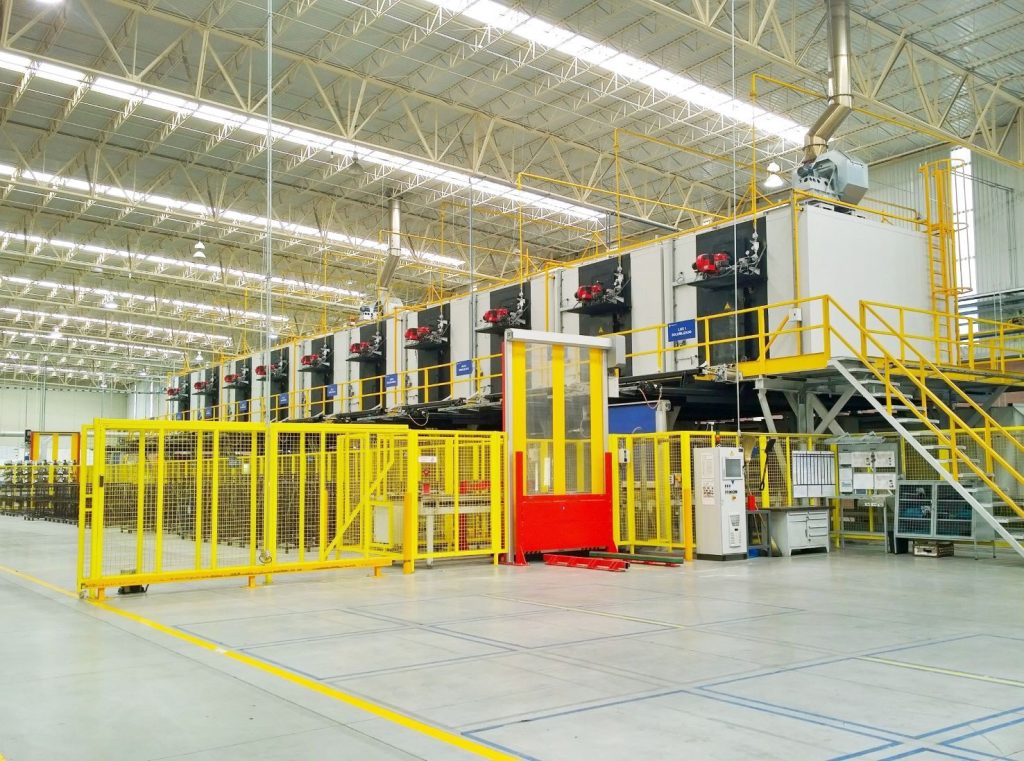
Bin Management Automation

Bin Management Automation: Streamlining Operations and Driving Efficiency

Bin management, the process of organizing, tracking, and optimizing the storage and retrieval of items within designated containers (bins, totes, pallets, etc.), is a critical aspect of warehouse management, manufacturing, and logistics. Traditional manual bin management methods are often plagued by inefficiencies, inaccuracies, and increased operational costs. However, the advent of automation technologies offers a powerful solution to these challenges, transforming bin management into a streamlined, data-driven, and highly efficient process.

This comprehensive exploration delves into the various facets of bin management automation, examining its benefits, key technologies, implementation considerations, and future trends.

bin management automation

The Challenges of Manual Bin Management:

Before exploring the solutions offered by automation, it’s crucial to understand the limitations of manual bin management:

  • Human Error: Manual data entry, misplacement of items, and incorrect picking are common occurrences, leading to inventory inaccuracies, order fulfillment errors, and customer dissatisfaction.
  • Time-Consuming Processes: Locating items, updating inventory records, and managing bin assignments manually are labor-intensive and slow down overall operations.
  • Lack of Real-Time Visibility: Without automated tracking, gaining a real-time overview of bin contents, locations, and availability is difficult, hindering informed decision-making.
  • Inefficient Space Utilization: Manual bin management often leads to suboptimal warehouse layout and inefficient use of storage space.
  • Increased Operational Costs: The inefficiencies and errors associated with manual processes translate into higher labor costs, increased waste, and potential penalties for inaccurate shipments.
  • Difficulty in Scaling: As operations grow, manual bin management becomes increasingly complex and difficult to scale effectively.

The Power of Bin Management Automation:

Bin management automation leverages various technologies to automate and optimize the processes involved in managing bins and their contents. This leads to significant improvements across the supply chain.

Key Technologies Driving Bin Management Automation:

Several technologies play a crucial role in enabling bin management automation:

  1. Barcode and RFID Technology:
    • Barcodes: Linear or 2D barcodes attached to bins and items allow for quick and accurate scanning using handheld scanners or fixed readers. This facilitates efficient data capture for receiving, put-away, picking, and inventory counts.
    • Radio-Frequency Identification (RFID): RFID tags attached to bins and items transmit data wirelessly to readers, enabling real-time tracking of their location and status without requiring a direct line of sight. RFID offers higher read rates and the ability to track multiple items simultaneously.
  1. Warehouse Management Systems (WMS):
    • A WMS is a software platform that provides comprehensive control and visibility over all warehouse operations, including bin management. It integrates with automated data capture technologies to manage bin locations, track inventory within bins, optimize put-away and picking routes, and generate reports.
  1. Automated Storage and Retrieval Systems (AS/RS):
    • AS/RS are automated systems that use robotic cranes or shuttles to store and retrieve items from high-density storage locations. These systems are tightly integrated with WMS to ensure accurate and efficient bin management. Different types of AS/RS include unit-load, mini-load, carousels, and vertical lift modules (VLMs).
  1. Autonomous Mobile Robots (AMRs) and Automated Guided Vehicles (AGVs):
    • AMRs and AGVs can automate the transportation of bins and items within the warehouse. AMRs use sensors and mapping technologies to navigate autonomously, while AGVs follow predefined paths. They can assist with put-away, picking, and replenishment tasks, improving efficiency and reducing labor.
  1. Real-Time Location Systems (RTLS):
    • RTLS technologies, such as Ultra-Wideband (UWB) or Bluetooth Low Energy (BLE), provide precise real-time location tracking of bins and assets within the facility. This enhances visibility, improves security, and facilitates faster retrieval.
  1. Sensors and IoT Devices:
    • Various sensors can be integrated into bins to monitor environmental conditions (temperature, humidity), detect movement, or track fill levels. This data can be used to optimize storage conditions, prevent damage, and trigger replenishment alerts.
  1. Artificial Intelligence (AI) and Machine Learning (ML):
    • AI and ML algorithms can analyze historical data to optimize bin placement strategies, predict demand patterns, improve picking routes, and identify potential bottlenecks in bin management processes.

Benefits of Implementing Bin Management Automation:

Adopting bin management automation offers a multitude of benefits for businesses:

  • Increased Accuracy: Automated data capture and tracking significantly reduce human errors in inventory management and order fulfillment.
  • Improved Efficiency: Automation streamlines put-away, picking, and inventory counting processes, leading to faster cycle times and increased throughput.
  • Enhanced Real-Time Visibility: Automated systems provide a real-time view of bin contents, locations, and status, enabling better decision-making and proactive problem-solving.
  • Optimized Space Utilization: Automation facilitates high-density storage solutions and intelligent bin placement strategies, maximizing warehouse space utilization.
  • Reduced Labor Costs: Automating manual tasks reduces the need for extensive labor, leading to significant cost savings.
  • Faster Order Fulfillment: Accurate and efficient picking and packing processes result in faster order fulfillment and improved customer satisfaction.
  • Better Inventory Control: Real-time tracking and accurate data enable precise inventory control, minimizing stockouts and overstocking.
  • Improved Traceability: Automated systems provide a complete audit trail of bin and item movements, enhancing traceability and accountability.
  • Scalability: Automated bin management systems are more easily scalable to accommodate business growth and increasing operational demands.
  • Enhanced Safety: Automation can reduce the need for manual handling of heavy items, improving workplace safety.
  • Data-Driven Insights: Automated systems generate valuable data and analytics, providing insights into operational performance and areas for improvement.

Implementation Considerations for Bin Management Automation:

Implementing bin management automation requires careful planning and consideration of several factors:

  • Defining Clear Objectives: Clearly define the goals and expected outcomes of automation, such as reducing errors, increasing efficiency, or improving space utilization.
  • Choosing the Right Technologies: Select the automation technologies that best align with the specific needs and budget of the organization. Consider factors like the volume of goods, storage density requirements, and the level of integration with existing systems.
  • System Integration: Ensure seamless integration between the chosen automation technologies and existing enterprise resource planning (ERP), WMS, and other relevant systems.
  • Infrastructure Requirements: Assess the existing warehouse infrastructure and make necessary modifications to support the implementation of automated systems, such as network connectivity, power requirements, and floor layout adjustments.
  • Data Migration and Accuracy: Plan for the accurate migration of existing inventory data into the automated system. Data cleansing and validation are crucial for ensuring the integrity of the new system.
  • Training and Change Management: Provide comprehensive training to employees on the new automated systems and processes. Effective change management strategies are essential to ensure smooth adoption and minimize resistance. 
  • Security Considerations: Implement appropriate security measures to protect the automated systems and the data they generate from unauthorized access and cyber threats.
  • Scalability and Flexibility: Choose solutions that can be scaled and adapted to future growth and changing business needs.
  • Return on Investment (ROI) Analysis: Conduct a thorough ROI analysis to evaluate the costs and benefits of the automation project and justify the investment.
  • Phased Implementation: Consider a phased implementation approach, starting with a pilot project in a specific area before rolling out the automation across the entire facility.

Future Trends in Bin Management Automation:

The field of bin management automation is constantly evolving, driven by advancements in technology. Some key future trends include:

  • Increased Adoption of AI and ML: AI-powered systems will become more sophisticated in optimizing bin placement, predicting demand, and proactively identifying potential issues.
  • Greater Integration of Robotics: AMRs and other robotic solutions will play an increasingly significant role in automating material handling tasks within bin management processes.
  • Enhanced Sensor Integration and IoT Connectivity: The use of smart bins equipped with various sensors and connected to the Internet of Things (IoT) will provide richer real-time data and enable more proactive management.
  • Digital Twins for Bin Management: Creating digital representations of the warehouse and bin infrastructure will allow for simulation, optimization, and predictive maintenance.
  • Cloud-Based WMS and Automation Platforms: Cloud-based solutions will offer greater flexibility, scalability, and accessibility for managing automated bin systems.
  • Focus on Sustainability: Future bin management automation solutions will increasingly incorporate sustainable practices, such as optimizing energy consumption and reducing waste.
  • Human-Robot Collaboration (Cobots): Collaborative robots will work alongside human workers, assisting with physically demanding or repetitive tasks in bin management.

maintenance at the most convenient times. The ability to anticipate issues before they arise not only increased equipment uptime but also helped us avoid costly production halts. This level of foresight is invaluable for any industrial operation aiming to remain competitive.


Warehouse Management System

Warehouse Management System

Warehouse Management System (WMS) automation is a critical component of modern warehousing, aimed at streamlining operations, increasing efficiency, and reducing errors. It involves integrating various technologies and systems to automate tasks that were traditionally performed manually. Here’s a breakdown of key aspects:

Warehouse Management System

Key Areas of WMS Automation:

  • Automated Data Capture:
    • This involves using technologies like barcode scanners, RFID (Radio-Frequency Identification), and automated data entry to minimize manual input. This increases accuracy and speeds up processes like receiving, put-away, and picking.
  • Automated Storage and Retrieval Systems (AS/RS):
    • AS/RS utilizes computer-controlled machines to automatically store and retrieve items. These systems optimize storage space and significantly reduce retrieval times.
  • Robotics and Automated Guided Vehicles (AGVs/AMRs):
    • Robots and AGVs/AMRs are used for tasks like:
      • Transporting goods within the warehouse.
      • Picking and packing orders.
      • Sorting and organizing inventory.
    • Autonomous Mobile Robots (AMRs) are becoming increasingly popular due to their ability to navigate dynamically within a warehouse environment.
  • Automated Sortation Systems:
    • These systems use conveyors, sensors, and other technologies to automatically sort and direct products to their designated locations. This is particularly useful in high-volume distribution centers.
  • Goods-to-Person Systems:
    • Instead of workers traveling to pick items, these systems bring the items to the workers. This significantly reduces travel time and increases picking efficiency.
  • Integration with Other Systems:
    • Warehouse Management System often involves integrating with other systems, such as:
      • Enterprise Resource Planning (ERP) systems.
      • Transportation Management Systems (TMS).
      • E-commerce platforms.
  • Data Analytics and AI:
    • Advanced Warehouse Management System solutions leverage data analytics and AI to:
      • Optimize inventory levels.
      • Predict demand.
      • Improve warehouse layout.
      • Optimize picking routes.

Benefits of Warehouse Management System:

  • Increased Efficiency: Automation streamlines processes and reduces manual labor, leading to higher throughput.
  • Reduced Errors: Automating tasks minimizes the risk of human error, improving accuracy in inventory management and order fulfillment.
  • Improved Accuracy: Automated systems provide real-time data and tracking, ensuring accurate inventory levels and order fulfillment.
  • Cost Reduction: Automation can reduce labor costs and optimize resource utilization.
  • Enhanced Visibility: Real-time data and analytics provide greater visibility into warehouse operations.
  • Improved Customer Satisfaction: Faster and more accurate order fulfillment leads to improved customer satisfaction.
  • Scalability: Automation allows businesses to scale their operations more easily to meet changing demands.

Bin Management System: Real-Time Monitoring & Data-Driven Waste Solutions

Bin Management System

A bin management system encompasses a range of technologies and strategies aimed at optimizing the handling of bins, whether for waste management, inventory control, or other purposes. Here’s a breakdown of key aspects:

bin management system

Key Applications:

  • Waste Management:
    • This involves using sensors to monitor fill levels in public or private waste bins.
    • Systems then optimize collection routes, reducing fuel consumption and improving efficiency.
    • It can also aid in tracking waste segregation for better recycling.
  • Inventory Control:
    • In warehouses and storage facilities, bin management systems track the location and quantity of stored items.
    • This streamlines picking and packing processes, reduces errors, and improves inventory accuracy.
    • This can be basic bin location tracking, or advanced systems that incorporate things like barcode scanning, and real time location data.

Core Components and Features:

  • Sensors:
    • Used to measure fill levels, weight, or other relevant data.
    • Can also include sensors for temperature, fire detection, or tilt alerts.
  • Software Platform:
    • Centralized system for data collection, analysis, and visualization.
    • Provides real-time monitoring, reporting, and alerts.
    • May include features for route optimization, inventory tracking, and work order management.
  • Connectivity:
    • Data transmission via cellular networks, Wi-Fi, or other communication technologies.
    • Enables remote monitoring and management.
  • Data Analytics:
    • Provides insights into waste generation patterns, inventory turnover, and other key metrics.
    • Helps to improve decision-making and optimize operations.

Benefits:

  • Increased Efficiency:
    • Optimized collection routes and streamlined inventory processes.
    • Reduced labor costs and improved resource utilization.
  • Cost Savings:
    • Reduced fuel consumption, fewer unnecessary pickups, and minimized inventory losses.
  • Improved Sustainability:
    • Reduced carbon emissions and increased recycling rates.
  • Enhanced Data Visibility:
    • Real-time monitoring and comprehensive reporting.
    • Better decision-making based on accurate data.
  • Improved Hygiene:
    • Reducing overflowing bins, and therefore reducing pests, and smells. 

Beyond the Bin: Revolutionizing Waste with a Smart Bin Management System

We’ve all been there: the overflowing bin, the mystery smells, the nagging guilt about where it all ends up. In our increasingly urbanized world, waste management isn’t just a municipal chore; it’s a critical component of sustainability and public health. But how do we move beyond the traditional, often inefficient, methods of waste collection and disposal? The answer lies in embracing technology, specifically, a robust bin management system.

What Exactly is a Bin Management System?

Imagine a network of “smart” bins equipped with sensors, connected to a centralized platform. This is the core of a bin management system. These systems offer:

  • Real-time Fill Level Monitoring: Sensors track the fill levels of bins, transmitting data to a central dashboard. No more guessing when a bin needs emptying.
  • Optimized Collection Routes: Data-driven insights allow for efficient route planning, reducing fuel consumption and collection time.
  • Waste Segregation Tracking: Some systems can identify and track the types of waste being deposited, promoting recycling and proper disposal.
  • Alerts and Notifications: Instant alerts are sent when bins are nearing capacity, preventing overflows and related issues.
  • Data Analytics and Reporting: Comprehensive reports provide valuable insights into waste generation patterns, helping to improve overall waste management strategies.

Why is a Smart Bin Management System Essential?

The benefits of implementing a bin management system are far-reaching:

  • Environmental Impact:
    • Reduced carbon emissions through optimized collection routes.
    • Increased recycling rates through improved waste segregation.
    • Minimized waste overflow, preventing environmental contamination.
  • Operational Efficiency:
    • Reduced collection costs through optimized routes and fewer unnecessary pickups.
    • Improved resource allocation and staff productivity.
    • Enhanced data-driven decision-making.
  • Public Health and Hygiene:
    • Minimized waste overflow, reducing odors and pest infestations.
    • Improved sanitation in public spaces.
    • Enhanced community satisfaction.
  • Cost Savings:
    • Reduced fuel and labor costs.
    • Optimized truck usage.
    • Reduced fines associated with overflowing bins.

Beyond the Basics: The Future of Bin Management

The potential of bin management systems extends beyond basic monitoring and collection. Future innovations include:

  • AI-powered Waste Sorting: Advanced systems could automatically sort waste within the bin, further streamlining recycling processes.
  • Integration with Smart City Infrastructure: Seamless integration with other smart city systems, such as traffic management and air quality monitoring.
  • Community Engagement Platforms: Interactive platforms that allow citizens to report issues, track recycling efforts, and receive waste management updates.
  • Dynamic Route Optimization: Systems that adapt collection routes in real time based on traffic, weather, and fill level data.

Embracing the Change

Implementing a bin management system is an investment in a cleaner, more sustainable future. While the initial setup may require resources, the long-term benefits in terms of cost savings, environmental impact, and public health are undeniable.

Whether you’re a municipality, a business, or a community leader, it’s time to rethink your approach to waste management. By embracing the power of technology, we can move beyond the bin and create a more efficient and sustainable waste management ecosystem.

Triaxial Vibration Sensors

The Power of Triaxial Vibration Sensors:

In a world of constant motion, understanding vibrations is crucial across various industries. From industrial machinery to earthquake monitoring, the ability to accurately measure and analyze vibrations provides invaluable insights. Enter the triaxial vibration sensor, a powerful tool that revolutionizes vibration analysis.

Triaxial Vibration Sensors

What is a Triaxial Vibration Sensor?

A triaxial vibration sensor, also known as a 3-axis accelerometer, is a sophisticated device capable of measuring vibrations along three perpendicular axes (X, Y, and Z). Unlike single-axis sensors that only measure vibrations in one direction, triaxial sensors provide a comprehensive picture of vibrational activity.

How Triaxial Vibration Sensors Work:

These sensors utilize piezoelectric or MEMS (Micro-Electro-Mechanical Systems) technology to convert mechanical vibrations into electrical signals. When subjected to vibrations, the sensor’s internal mass moves relative to its housing, generating an electrical charge proportional to the acceleration. This charge is then amplified and processed to provide accurate measurements of vibration amplitude, frequency, and direction.

Key Applications of Triaxial Vibration Sensors:

  • Industrial Machinery Monitoring:
    • Predictive Maintenance: Early detection of faults in rotating machinery (motors, pumps, turbines) through vibration analysis.
    • Equipment Health Assessment: Monitoring the overall health of machinery and identifying potential issues before catastrophic failures occur.
    • Process Optimization: Optimizing equipment performance and reducing downtime by identifying and addressing vibration-related problems.
  • Structural Health Monitoring:
    • Earthquake Engineering: Assessing the seismic response of structures and identifying potential vulnerabilities.
    • Bridge Monitoring: Monitoring the health of bridges and other civil infrastructure for signs of damage or deterioration.
    • Wind Turbine Monitoring: Assessing the dynamic behavior of wind turbines under varying wind conditions.
  • Aerospace and Defense:
    • Aircraft Vibration Analysis: Monitoring aircraft components for fatigue and wear.
    • Missile Guidance Systems: Providing accurate inertial measurements for guidance and navigation systems.
  • Robotics:
    • Motion Control: Enabling precise control of robotic movements and ensuring smooth operation.
    • Vibration Feedback: Providing feedback for vibration suppression and stabilization systems.
  • Seismology:
    • Earthquake Detection and Monitoring: Measuring ground motion during earthquakes to assess their magnitude and impact.

Benefits of Using Triaxial Vibration Sensors:

  • Comprehensive Data: Provides a complete picture of vibration activity in all three dimensions.
  • Improved Accuracy: More accurate diagnosis of faults and more reliable predictions of equipment failures.
  • Enhanced Safety: Early detection of potential hazards in critical infrastructure.
  • Reduced Maintenance Costs: Predictive maintenance strategies help minimize downtime and repair costs.
  • Increased Efficiency: Optimized equipment performance leads to improved productivity and reduced energy consumption.
The Future of Triaxial Vibration Sensors:

Advancements in sensor technology, such as the development of smaller, more sensitive sensors, and the integration of wireless communication and artificial intelligence, are paving the way for even more sophisticated applications.

Triaxial vibration sensors have emerged as indispensable tools across a wide range of industries. Their ability to provide comprehensive and accurate vibration data empowers engineers, researchers, and technicians to make informed decisions, improve safety, enhance efficiency, and ensure the reliability of critical systems. As technology continues to evolve, we can expect even more innovative applications of triaxial vibration sensors in the years to come.


SCADA Supervisory Control and Data Acquisition

SCADA- Supervisory Control and Data Acquisition

SCADA, an acronym for Supervisory Control and Data Acquisition, is a system used to monitor and control industrial processes remotely. It plays a critical role in various industries, including manufacturing, energy, water treatment, and more.

scada solution

How SCADA Systems Work:

At the heart of a SCADA system lies a network that connects various components:

  • Human-Machine Interface (HMI): This is the graphical interface that allows operators to interact with the system. HMIs display real-time data, alarms, and historical trends, enabling operators to monitor the process and make informed decisions.
  • Supervisory Computer: This central computer collects data from various sources, processes it, and provides information to the HMI. It also executes control commands sent by the operator.
  • Remote Terminal Units (RTUs): These devices are installed at remote sites to collect data from sensors and control field devices like pumps, valves, and motors.
  • Programmable Logic Controllers (PLCs): PLCs are used to automate control functions at the equipment level. They receive commands from the SCADA system and execute them locally.
  • Sensors and Actuators: Sensors measure process variables like temperature, pressure, and flow rate, while actuators control equipment based on the received commands.

Key Functions of SCADA Systems:

  • Data Acquisition:
    • Collect data from various sources, including sensors, PLCs, and other devices.
    • Store historical data for analysis and reporting.
  • Process Monitoring:
    • Display real-time data on HMIs, providing operators with a comprehensive view of the process.
    • Generate alarms and notifications to alert operators of abnormal conditions.
  • Process Control:
    • Allow operators to remotely control equipment and adjust process parameters.
    • Implement automated control strategies to optimize process performance.
  • Data Analysis and Reporting:
    • Generate reports on process performance, equipment utilization, and energy consumption.
    • Identify trends and patterns to optimize operations.
Benefits of Implementing SCADA Systems:
  • Improved Efficiency:
    • Optimize resource utilization and minimize waste.
    • Increase production throughput and reduce downtime.
  • Enhanced Safety:
    • Monitor critical parameters and detect potential hazards early.
    • Implement safety interlocks to prevent accidents.
  • Reduced Costs:
    • Minimize manual intervention and reduce labor costs.
    • Optimize energy consumption and reduce operating expenses.
  • Improved Decision Making:
    • Provide real-time data and insights for informed decision-making.
  • Increased Flexibility:
    • Allow for remote monitoring and control, improving operational flexibility.
Applications of SCADA Systems:
  • Manufacturing:
    • Production line monitoring and control.
    • Quality control and assurance.
    • Inventory management.
  • Energy:
    • Power generation and distribution.
    • Smart grid management.
    • Renewable energy integration.
  • Water and Wastewater Treatment:
    • Water quality monitoring and control.
    • Wastewater treatment plant automation.
  • Transportation:
    • Traffic signal control.
    • Public transportation monitoring.
  • Building Automation:
    • HVAC control.
    • Lighting control.
    • Security systems.

Challenges and Considerations:

  • Cybersecurity:
    • Protecting SCADA systems from cyberattacks is crucial to ensure system integrity and operational safety.
  • Integration:
    • Integrating SCADA systems with other enterprise systems can be complex.
  • Maintenance:
    • Regular maintenance and upgrades are essential to ensure system reliability and performance.
  • Cost:
    • Implementing and maintaining a SCADA system can involve significant upfront and ongoing costs.

Future of SCADA:

  • Integration with IoT:
    • Integrating SCADA systems with the Internet of Things (IoT) will enable greater connectivity and data exchange.
  • Artificial Intelligence (AI) and Machine Learning:
    • AI and ML algorithms can be used to optimize SCADA systems, improve predictive maintenance, and enhance decision-making.
  • Edge Computing:
    • Processing data closer to the source can improve system responsiveness and reduce latency.

SCADA systems are essential for modern industrial operations, enabling improved efficiency, safety, and productivity. By leveraging advanced technologies and addressing the challenges, SCADA systems will continue to play a vital role in driving innovation and transforming industries across the globe.