
What Role Do Digital Twins Play in Modern Industrial Automation?
Industrial automation has evolved far beyond physical machinery and basic PLC programming. Today’s smart factories, supply chains, and processing plants are powered by data, artificial intelligence, and virtual replicas. At the center of this digital revolution is the digital twin.
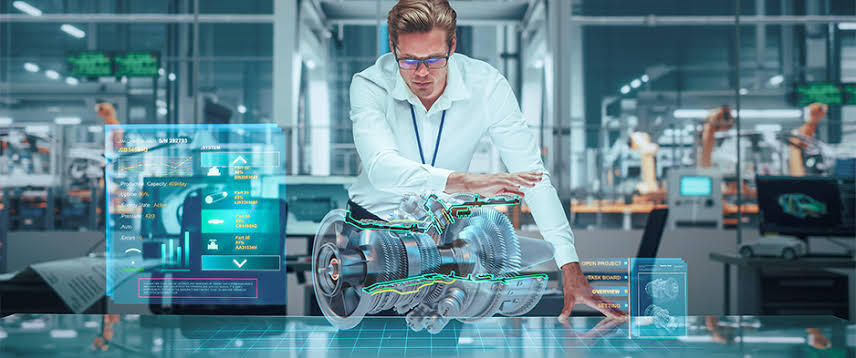
A digital twin is a dynamic, virtual model of a physical asset, process, system, or facility that updates in real time using data from IoT sensors, AI, and machine learning. In modern industrial automation, digital twins bridge the physical and digital worlds, transforming how engineers design, operate, maintain, and optimize industrial systems.
This comprehensive guide explores the critical roles digital twins play in modern industrial automation and how organizations leverage them to gain a competitive edge.
1. Virtual Commissioning and Accelerated Prototyping
Traditionally, building a new automated assembly line or retrofitting a manufacturing plant meant installing physical equipment first, followed by months of trial-and-error testing and debugging. This approach risked costly downtime, equipment damage, and missed launch deadlines.
Digital twins change this paradigm through virtual commissioning:
-
Risk-Free Testing: Engineers can test PLC logic, robotics programming, and control algorithms against a physics-based virtual model of the plant before a single piece of hardware is bolted to the floor.
-
Faster Time-to-Market: By identifying design flaws, bottlenecks, and interference issues in a virtual environment, companies can slash commissioning time by up to 50% and accelerate overall product lifecycles.
2. Predictive Maintenance and Reduced Downtime
Unplanned equipment downtime is one of the single biggest profit drains in industrial operations. Traditional maintenance is either reactive (fix it when it breaks) or calendar-based (fix it whether it needs it or not). Digital twins enable a truly predictive maintenance strategy.
-
Real-Time Health Monitoring: IoT sensors on physical machines continuously stream operational metrics—such as vibration, temperature, pressure, and power consumption—into the digital twin.
-
Anomaly Detection: Machine learning algorithms analyze these streams against historical baselines. If a bearing starts wearing out abnormally, the digital twin flags the deviation weeks before a catastrophic failure occurs.
-
Optimized Intervention: Maintenance teams can schedule repairs during planned shift changes, drastically cutting costly emergency downtime and extending asset lifespans.
3. Process Optimization and “What-If” Scenario Testing
Industrial systems are complex, interconnected ecosystems. Changing a conveyor belt speed or altering a chemical batch recipe can have unintended downstream effects.
Digital twins act as a safe playground for advanced operational analysis:
-
Scenario Modeling: Plant managers can run simulations to ask “what-if” questions: What happens if energy costs spike, and we need to shift production loads? How will a 20% increase in demand impact our throughput?
-
Bottleneck Identification: By visualizing material flow in real time, operators can pinpoint bottlenecks, balance workloads, and optimize overall equipment effectiveness (OEE) without disrupting live production.
4. Enhanced Worker Training and Safety
Industrial automation reduces human exposure to hazardous environments, but operating heavy machinery and troubleshooting complex automated systems still carries risks.
-
Immersive Training Environments: Companies use digital twins combined with Virtual Reality (VR) and Augmented Reality (AR) to train operators and technicians on complex procedures, emergency shutdowns, and maintenance routines in a completely safe, simulated environment.
-
Remote Expertise: Field technicians can overlay digital twin telemetry onto their field view via AR glasses, allowing remote engineers to guide complex repairs step-by-step with real-time data context.
5. Driving Sustainability and Energy Efficiency
With global pressure mounting to reduce carbon footprints and meet strict ESG (Environmental, Social, and Governance) targets, industrial automation must be energy-efficient.
-
Energy Auditing: A digital twin of a facility tracks energy consumption down to individual machine components. It highlights energy-wasting anomalies, such as idle motors drawing power or inefficient heating cycles.
-
Resource Optimization: By simulating raw material flows and waste outputs, organizations can minimize scrap, optimize water and power usage, and design circular manufacturing processes.
Summary Checklist: Core Benefits of Industrial Digital Twins
-
Virtual Commissioning: Catch errors in software and design before physical construction begins.
-
Predictive Maintenance: Shift from reactive repairs to data-driven upkeep, eliminating unplanned downtime.
-
Operational Agility: Test process changes safely in a virtual sandbox before deploying them live.
-
Safety & Training: Upskill workers on high-risk machinery using immersive simulations.
-
Sustainability: Monitor and reduce energy consumption and material waste in real time.
How is your organization currently leveraging simulation or digital modeling, and are you looking to integrate digital twins into an upcoming automation project?