
Unlocking Peak Performance: The Essential Benefits of Vibration Condition Monitoring
In today’s competitive industrial landscape, maximizing asset uptime, ensuring operational safety, and controlling maintenance costs are paramount. While reactive maintenance—fixing a machine after it fails—has long been the norm, modern industry is rapidly moving toward more proactive, data-driven strategies. At the heart of this shift lies Vibration Condition Monitoring (VCM), a predictive maintenance technique that uses data from a machine’s inherent vibrations to assess its health.
Implementing a robust VCM program isn’t just a technological upgrade; it’s a fundamental change in how maintenance is performed, yielding profound benefits across the entire operation.
The Core Problem: Why Machines Fail
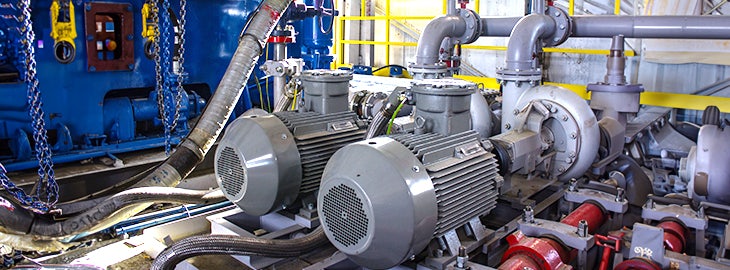
Rotating equipment—motors, pumps, compressors, fans, gearboxes—is the backbone of virtually every industrial process. These machines vibrate naturally. However, as components like bearings, gears, or shafts begin to wear, crack, or become misaligned, the vibration signature changes in amplitude and frequency.
If these changes go unnoticed, a small issue—a slightly loose bearing—can quickly cascade into a catastrophic failure, causing sudden, unscheduled downtime and expensive repairs. VCM’s value lies in detecting these subtle changes early, allowing operators to intervene before disaster strikes.
Top 5 Key Benefits of Implementing Vibration Condition Monitoring (VCM)
VCM delivers tangible, bottom-line improvements by transforming maintenance from a reactive chore into a strategic asset.
1. Maximizing Asset Uptime and Production Continuity
This is arguably the most significant benefit. Unscheduled downtime is the enemy of industrial efficiency, often costing tens of thousands of dollars per hour.
- Early Fault Detection: VCM systems continuously analyze data for patterns indicative of common faults like imbalance, misalignment, looseness, and bearing wear. Detecting these issues weeks or months in advance provides a large window for planning.
- Preventing Catastrophic Failure: By identifying the severity and rate of degradation, maintenance teams can schedule a repair or replacement during a planned shutdown, eliminating the risk of a sudden, total machine failure that can halt an entire production line.
- Optimizing Scheduling: Instead of guessing or relying on fixed time intervals, VCM allows maintenance to be performed “just-in-time”—only when the data indicates it’s necessary.
2. Significant Reduction in Maintenance Costs
While VCM requires an initial investment, the cost savings realized through its application quickly prove the return on investment (ROI).
- Shifting from Reactive to Predictive: Reactive repairs involve emergency labor, premium shipping for parts, and often require replacing expensive, secondarily damaged components. Predictive maintenance based on VCM replaces only the necessary components, avoiding secondary damage.
- Optimizing Spare Parts Inventory: Knowing exactly which machines require a new part (e.g., a specific bearing) and when they will need it allows companies to manage their spare parts inventory more leanly and effectively, reducing capital tied up in stock.
- Lower Labor Costs: Planned maintenance work is executed more efficiently than rushed, emergency repairs. Technicians can arrive with the right tools, parts, and a clear understanding of the fault before the work even begins.
3. Enhancing Safety and Environmental Compliance
Machine failures don’t just affect production; they can pose serious risks to personnel and the environment.
- Risk Mitigation: Equipment operating under severe stress, especially due to mechanical failure (like excessive heat from a failed bearing), presents a higher risk of fire, explosion, or physical hazard (e.g., parts detaching). VCM helps mitigate these risks by identifying high-risk assets well before a critical failure point.
- Preventing Environmental Spills: In processes involving fluids or chemicals, a sudden pump seal failure due to excessive vibration can lead to significant leaks or spills. Monitoring helps prevent the mechanical failure that causes the breach, aiding in environmental compliance.
4. Improving Maintenance Efficiency and Effectiveness
VCM provides objective, measurable data that improves the quality and focus of maintenance work.
- Data-Driven Decision Making: Maintenance decisions are no longer based on subjective “walk-around” checks or arbitrary time intervals. They are based on hard data, trend analysis, and established alarm limits.
- Targeted Troubleshooting: Instead of spending time diagnosing a machine after it has failed, VCM identifies the specific fault (e.g., inner race bearing defect on the non-drive end motor). This laser-focus significantly reduces troubleshooting time.
- Verifying Repairs: After maintenance is performed, a follow-up VCM measurement can verify that the repair was successful. For example, if a machine was realigned, the post-maintenance vibration reading should confirm that the misalignment signature is gone, validating the work.
5. Extending Equipment Lifespan
By ensuring that equipment consistently operates within optimal mechanical tolerances, VCM helps preserve the Mean Time Between Failures (MTBF).
- Addressing Root Causes: VCM often highlights systemic issues like consistent foundation settling or poor installation practices (e.g., recurring misalignment). Addressing these root causes prevents future repeat failures.
- Optimizing Operating Conditions: A machine that is accurately balanced and aligned runs cooler, requires less energy, and experiences less mechanical stress, thus naturally extending its operational life.
Conclusion: Future-Proofing Industrial Operations
Implementing Vibration Condition Monitoring is a strategic investment that fundamentally shifts an industrial operation from a reactive, crisis-management model to a proactive, predictive excellence model. By providing an early warning system for mechanical degradation, VCM directly contributes to greater uptime, lower costs, enhanced safety, and extended asset life.
For any industry serious about achieving operational excellence and embracing the future of maintenance, VCM is not just a useful tool—it is an essential foundation. The data it provides empowers teams to move beyond guesswork and achieve true, data-driven mastery over their most critical assets.