Why Is an Integrated Trace and Track Solution the Secret to a Resilient Supply Chain?
In the high-stakes world of global logistics, “visibility” has become a bit of a buzzword. Everyone wants it, but few truly define what it means. Is it knowing where your cargo is right now? Or is it knowing exactly where it’s been and what happened to it along the way?
The truth is, if you aren’t doing both, your supply chain is vulnerable. To build true resilience in 2026, you need an integrated trace and track solution.
Here is why combining these two distinct functions is no longer a luxury—it’s a survival strategy.
The Crucial Distinction: Tracking vs. Tracing
Before diving into resilience, we have to clear up the terminology. While often used interchangeably, they serve two different purposes:
-
Tracking (The “Where”): This is real-time monitoring. It tells you that your shipment is currently at 180°C in a refrigerated truck moving through the Alps. It’s about the present.
-
Tracing (The “How”): This is the digital genealogy. It tells you which farm the raw materials came from, who handled the package at the warehouse, and which regulatory certificates were signed. It’s about the past.
When you implement an integrated trace and track solution, you bridge the gap between “Where is my stuff?” and “Is my stuff safe and compliant?”
1. Rapid Response to Disruptions
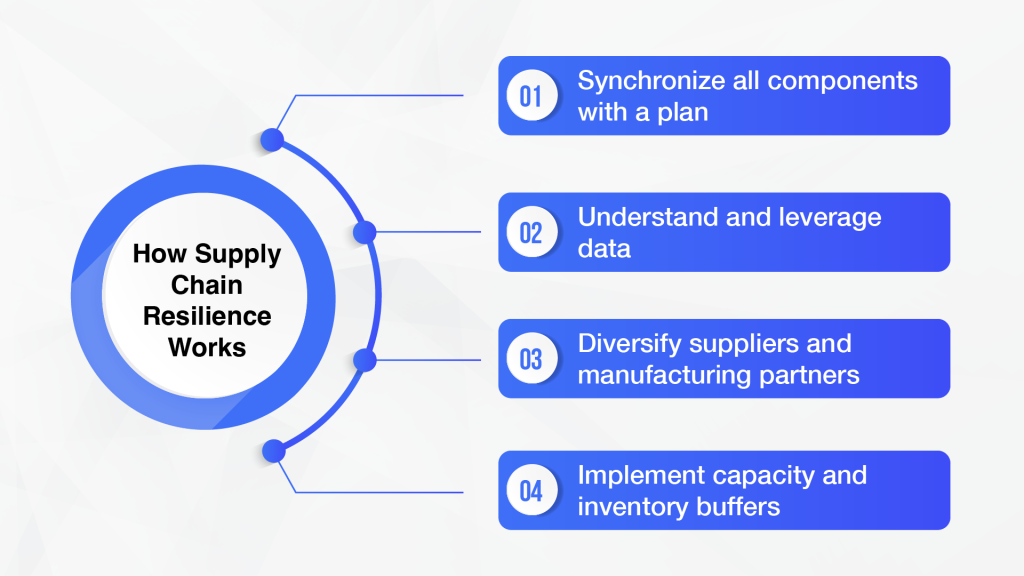
Supply chain resilience is defined by how quickly you can pivot when things go wrong. Without a trace and track solution, a simple port strike or a weather delay becomes a black hole of information.
With an integrated system, you don’t just see the delay (Tracking); you can instantly look back through the product’s journey (Tracing) to identify which alternative suppliers or routes have been used successfully in the past. This data-driven agility allows you to reroute shipments before the “bottleneck” becomes a “breakdown.”
2. Bulletproof Quality Control and Recalls
Nothing tests resilience like a product recall. If a contaminated ingredient is discovered, a company without a trace and track solution might have to pull their entire inventory off the shelves to be safe—a move that costs millions and destroys brand trust.
An integrated system allows for surgical recalls. You can trace the specific batch back to the source and track exactly which containers those items are currently in. You save 90% of your inventory because you have the data to prove it isn’t affected.
3. Meeting the Transparency Demands of 2026
Modern consumers and regulators are no longer satisfied with “made in [Country].” They want proof of ethical sourcing, carbon footprint data, and authenticity.
An integrated trace and track solution provides a “Digital Passport” for every product.
-
Trace the sustainability credentials of the raw materials.
-
Track the carbon emissions generated during transport.
This transparency doesn’t just satisfy regulators; it builds a loyal customer base that trusts your brand’s resilience and honesty.
4. Eliminating Information Silos
The biggest enemy of a resilient supply chain is fragmented data. If your shipping department uses one tool to track and your compliance team uses another to trace, information gets lost in the handoff.
An integrated solution acts as a single source of truth. When everyone from the warehouse manager to the CFO is looking at the same data, decisions are made faster, errors are reduced, and the entire organization becomes more robust.